What Is Skin Fasting? What the Trend Claims and What Evidence Says
By Rakib Sarwar | Last updated: | Editorial policy
As an Amazon Associate we earn from qualifying purchases. This does not change what we recommend. See our affiliate disclaimer.
“Skin fasting” is the idea that stopping your skincare lets your skin reset itself. It spread on social media, and it sounds appealing if your routine has grown long and expensive. This guide explains what the trend means, what the evidence says, and a safer way to simplify.
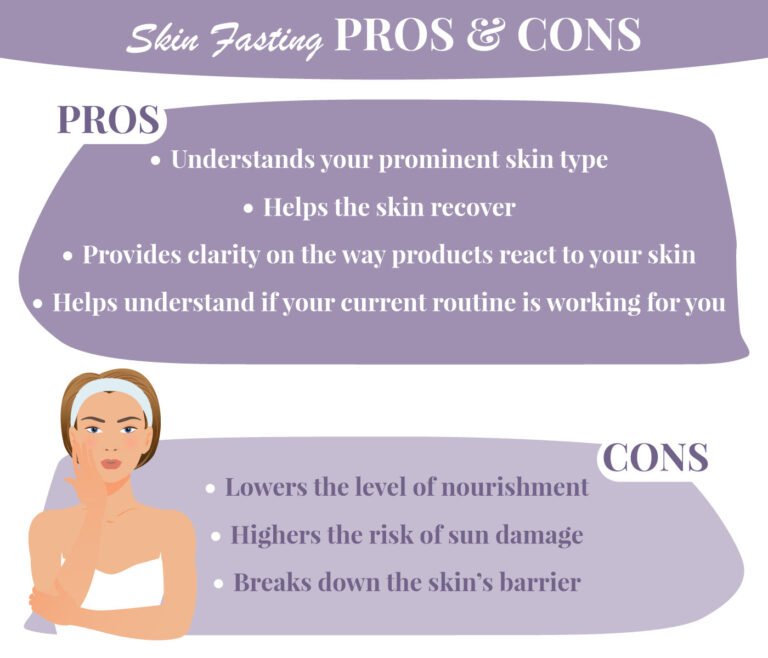
In short: there is no good evidence that skin fasting improves skin. Dermatologists we cite advise keeping a basic routine with sunscreen.
Good for
- People whose routines have grown too long
- Anyone whose skin is irritated by a new product
Be careful about
- Stopping sunscreen
- Stopping prescription or acne treatment
- Expecting a “reset” or detox effect
Key Takeaways
- Skin fasting has no agreed definition and no clinical trials supporting it.
- A 2019 review in Nutrients found evidence on dietary fasting and skin is mostly from animals and the human data are limited.
- Dermatologist Dr Thivi Maruthappu says skin “loves routine” and recommends a simple daily routine with SPF.
- If a skin fast seems to help, the products you stopped were probably not right for you.
- Keep sunscreen and any prescribed treatment.
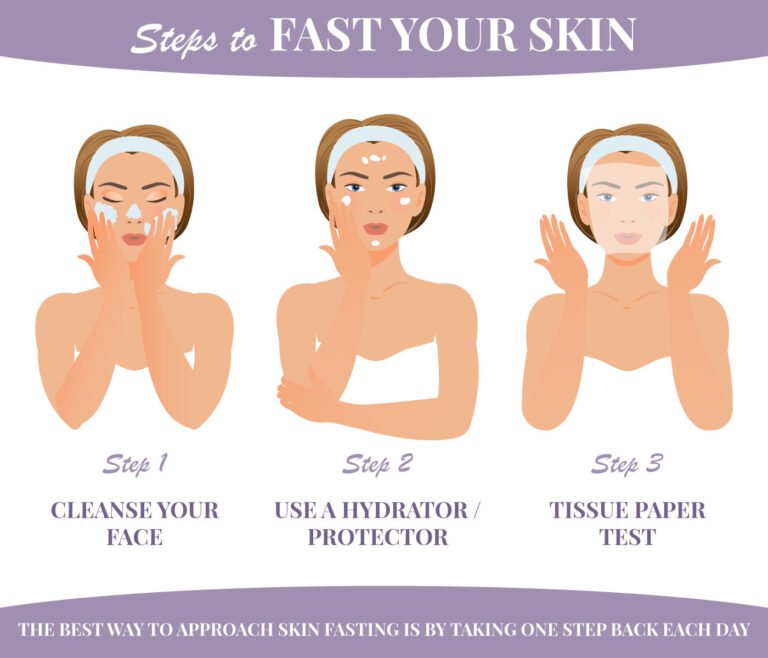
What Skin Fasting Means
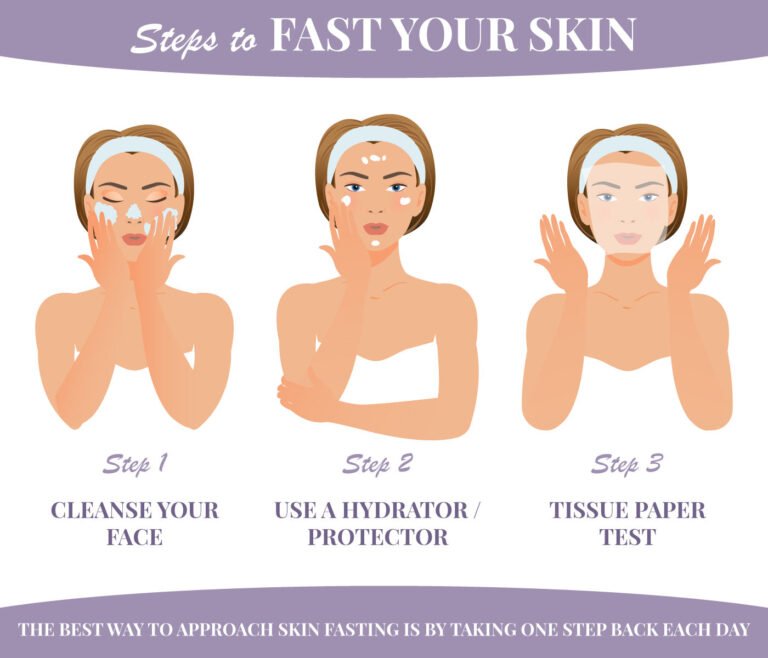
Skin fasting usually means stopping some or all skincare products for a few days to a few weeks. Some versions drop everything, including cleanser and sunscreen. Others only cut serums and actives. Because there is no standard version, claims about it are hard to test.
What the Evidence Says
We could not find clinical trials of skin fasting as a product-free routine. The closest research is on dietary fasting. A 2019 narrative review in Nutrients concluded that most findings on fasting and skin come from rodents, and that human studies are small and of limited quality. In mice, fasting actually reduced skin cholesterol synthesis and weakened the skin barrier, which is the opposite of a “reset”.
| Claim | What the sources support |
|---|---|
| Skin “resets” or “detoxes” without products | Not supported. Skin cannot detox; the liver and kidneys do that. |
| Skin makes more of its own oil and moisture | Not shown in people. Oil production is driven by hormones and genetics. |
| Fewer products means less irritation | Plausible if a product was irritating you. That is a product problem, not a benefit of fasting. |
| Stopping sunscreen is fine for a while | No. Sun damage continues whatever else you stop. |
Why Some People Feel Better
Skin expert Kate Kerr, quoted in our sources, puts it plainly: if skin fasting seems to help, the products you were using were not working for you. Over-exfoliating, layering several actives or using fragranced products can leave skin red and tight. Stopping them lets it calm down. The lesson is to find a routine that suits you, not to go without one.
Claimed Benefits, Honestly
- Calmer skin: likely if you were over-using actives.
- Fewer breakouts: possible if a product was clogging pores; unlikely if you have acne that needs treatment.
- Saving money: real, but you can also get there by using fewer, better-chosen products.
- Glow or radiance: no evidence.
A Safer Way to Simplify
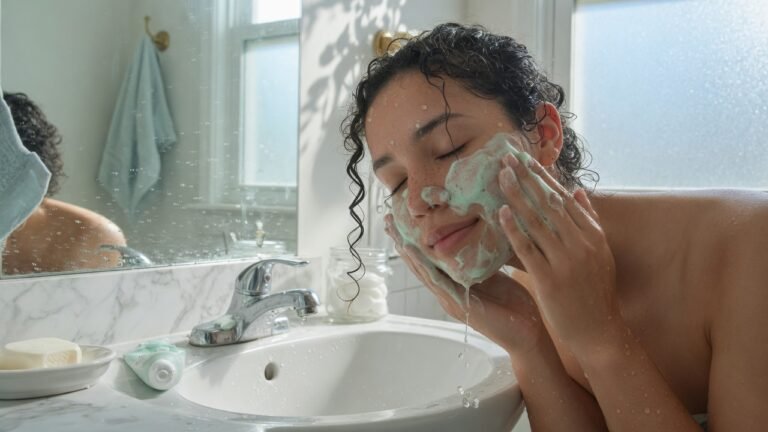
- Keep three steps: a gentle cleanser, a fragrance-free moisturizer and broad-spectrum SPF 30 or higher.
- Keep anything a doctor prescribed.
- Pause the extras: exfoliants, multiple serums, masks and fragranced products.
- After two to four weeks, add back one product at a time and watch how skin reacts.
- Drop anything that stings, burns or causes new breakouts.
How Long Should It Last?
There is no evidence-based answer. Skin cell turnover takes roughly a month, so two to four weeks of a simplified routine is enough to see whether your skin is calmer. Longer than that adds little, and skipping sunscreen for any length of time adds risk.
Do and Do Not
Do
- Keep cleanser, moisturizer and SPF
- Keep prescriptions
- Reintroduce products one at a time
- Note what changes
Do not
- Stop sunscreen
- Stop acne or eczema treatment
- Expect a detox
- Follow a trend over a doctor
Who Should Skip It
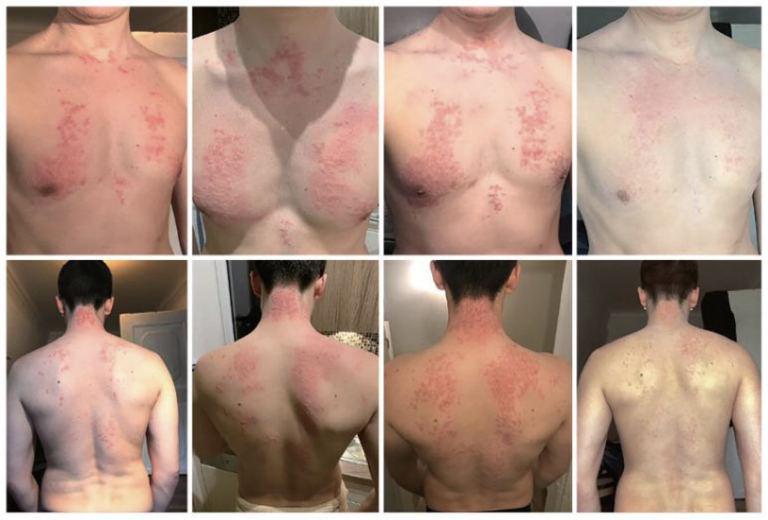
Skip skin fasting if you use prescription skincare, have eczema, rosacea, psoriasis or acne under treatment, or have had skin cancer or precancerous spots. For those conditions, routine matters, and stopping care can make things worse.
Honest Limits
- There are no clinical trials of skin fasting, so we rely on expert opinion and related research.
- Everyone’s skin responds differently to removing products.
- We did not test any routine ourselves.
When to See a Professional
See a dermatologist if your skin stays red, itchy, painful or broken out despite a gentle routine, or if you want to stop a prescribed product.
Frequently Asked Questions
What is skin fasting?
It is a social media trend of stopping some or all skincare products for a period, with the idea that skin “resets” on its own. It is not a medical treatment and there is no agreed definition.
Does skin fasting work?
There is no good clinical evidence for it. Dermatologist Dr Thivi Maruthappu says skin “loves routine” and recommends keeping a simple daily routine with SPF.
Is skin fasting the same as fasting from food?
No. Skin fasting means stopping products. Dietary fasting is eating less or not at all for a period. Research on dietary fasting and skin is mostly in animals and limited in people.
How long should a skin fast last?
There is no evidence-based duration. If you want to simplify, a sensible approach is to drop extras while keeping a gentle cleanser, moisturizer and sunscreen, then reintroduce one product at a time.
Should I stop sunscreen during a skin fast?
No. Experts quoted in our sources keep SPF even when stripping a routine back, because sun exposure damages skin regardless of what else you do.
Can skin fasting help acne?
Stopping irritating products can calm skin, but stopping acne treatment usually lets breakouts return. The AAD advises giving treatments weeks to months and seeing a dermatologist if they do not work.
Can skin fasting help dry skin?
Dry skin usually needs more moisturizer, not less. The AAD recommends fragrance-free creams or ointments applied while skin is still damp.
What are the benefits people report?
People report calmer or less congested skin, which one expert explains as a sign the products they were using were not suited to them.
Who should not try it?
Anyone on prescription skincare, with eczema, rosacea or acne under treatment, or with a condition that needs daily care should not stop products without medical advice.
What is a better alternative?
A short, consistent routine: gentle cleanser, moisturizer and broad-spectrum SPF 30 or higher, with other products added one at a time.
The Bottom Line
Skin fasting is a trend, not a treatment. If your routine is bothering your skin, simplify it rather than abandon it, and keep sunscreen. Our guides on dry skin and acne and oily skin cover the specifics.
Related reading: what skin fasting is, skin fasting with dry skin, skin fasting for acne and oily skin, and whether intermittent fasting improves skin.