
Can Intermittent Fasting Improve Skin? What the Research Shows
By Rakib Sarwar | Last updated: | Editorial policy
As an Amazon Associate we earn from qualifying purchases. This does not change what we recommend. See our affiliate disclaimer.
Intermittent fasting is popular for weight and metabolic reasons, and a lot of posts claim it gives clearer, younger skin too. This guide looks at what the research actually shows, which is less than the headlines suggest.
In short: evidence that intermittent fasting improves skin is mostly from animals, and human studies are small. Do not fast for your skin, and do not stop skincare while you fast.
Good for
- People who already fast and want realistic expectations for their skin
- Anyone comparing claims against evidence
Be careful about
- Fasting to treat acne, eczema or aging
- Stopping topical treatment during fasts
- Extreme calorie restriction
Key Takeaways
- A 2019 narrative review in Nutrients concluded human evidence on fasting and skin is scarce and of poor quality.
- Benefits seen in rodents, such as reduced skin collagen glycation, have not been shown in people.
- Fasting weakened the skin barrier in mice.
- A small study reported improvement in atopic dermatitis with two weeks of intermittent fasting; it needs confirmation.
- Keep using topical treatments during fasts; the review says they are generally permitted.
What the Research Says
The most thorough summary we found is a 2019 narrative review in Nutrients by Bragazzi and colleagues. It covers calorie restriction, intermittent fasting and religious fasting. Its main message is that most findings come from mice and rats, and that the human literature consists of small studies, surveys and case reports with no standard protocol. The authors call for proper randomized trials, which means current claims are early, not settled.
| Claim | Evidence level |
|---|---|
| Clearer skin, less acne | One small, extreme-restriction human study; effect reversed. Weak. |
| Slower skin aging | Rodent studies only. |
| Better eczema | One small two-week human study. Preliminary. |
| Stronger barrier | Opposite found in mice: fasting weakened the barrier. |
Acne and Oil
The review cites a 2008 study in which people on under 100 kcal a day produced about 40 percent less sebum, which returned to normal when they ate normally again. That is severe starvation, not a diet anyone should follow, and it says nothing about a 16:8 schedule. If you have acne, proven treatments such as benzoyl peroxide, salicylic acid and retinoids remain the first line.
Aging
In rodents, long-term calorie restriction reduced glycation products in skin collagen, a marker of aging. Telomere length did not change. No human study has shown that intermittent fasting makes skin look younger. Sun protection remains the best-supported anti-aging step.
Barrier and Dryness
In hairless mice, fasting reduced cholesterol synthesis in the skin and weakened its barrier, and applying lipids did not fully fix it. Some people report drier skin during fasts. If that is you, see our guide on dry skin and fasting.
Skin Conditions
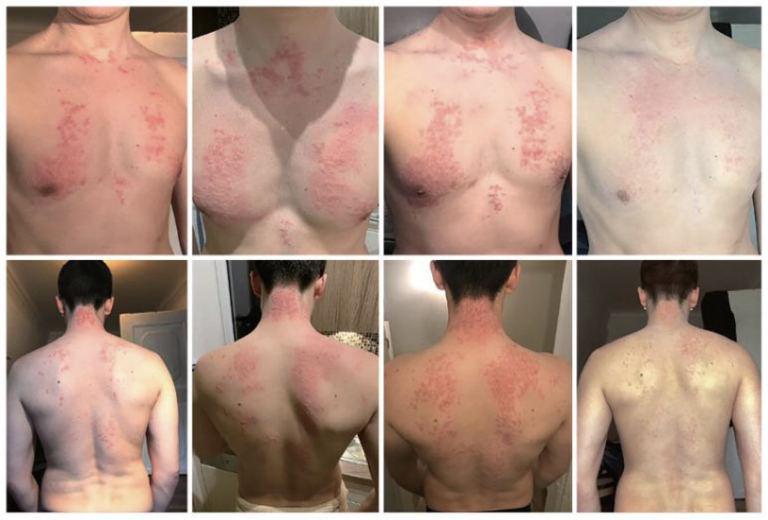
A small study reported that two weeks of intermittent fasting improved atopic dermatitis and pustulosis palmaris et plantaris in some participants. A UK survey of 75 people during Ramadan reported skin flares, and more than a third had stopped topical treatments because they believed treatment broke the fast. The review stresses that topical and transdermal medicines are generally permitted, and advises continuing them. Case reports also link a rare itchy rash, prurigo pigmentosa, to fasting and very low-carbohydrate diets.
Practical Advice
- If you fast, do it for reasons other than skin, with medical advice if you have a health condition.
- Keep your usual skincare, including treatments and sunscreen.
- Drink water and include healthy fats during eating windows.
- Watch for new rashes or flares and tell a doctor if they appear.
Do and Do Not
Do
- Keep topical treatments
- Stay hydrated
- Protect skin from sun
- Treat skin conditions with proven products
Do not
- Fast to treat acne or eczema
- Try extreme calorie restriction
- Stop medication during a fast
- Trust before-and-after posts
Who Should Skip It
Intermittent fasting is not for everyone. People who are pregnant or breastfeeding, have diabetes, are underweight, take medication that needs food, or have a history of disordered eating should talk to a doctor before trying it.
Honest Limits
- We rely on one comprehensive review and the studies it cites; new trials could change the picture.
- Animal findings often do not translate to people.
- We are not medical professionals.
When to See a Professional
See a doctor if you develop a new rash during fasting, if a skin condition flares, or before changing any medication schedule to fit a fast.
Frequently Asked Questions
Can intermittent fasting improve skin?
The honest answer is that nobody knows yet. A 2019 review in Nutrients found most evidence comes from animals and the human studies are small and low quality.
Does intermittent fasting reduce acne?
One small study cited in the review found very severe calorie restriction cut sebum by about 40 percent, but the effect reversed afterward. Ordinary intermittent fasting has not been shown to clear acne.
Does fasting slow skin aging?
Long-term calorie restriction reduced age-related changes in skin collagen in rodents. There is no equivalent evidence in people.
Can fasting make skin worse?
It can. In mice, fasting weakened the skin barrier. A survey cited in the review reported skin flares during Ramadan, partly because some people stopped topical treatments.
Should I stop my skincare while fasting?
No. The review notes topical and transdermal products are generally permitted during daytime religious fasts, and the authors advise continuing treatment.
Does fasting cause dry skin?
Some people notice it. Drink water during eating windows and moisturize; see our guide on dry skin during fasting.
Did any human study show a benefit?
A small study reported that two weeks of intermittent fasting improved atopic dermatitis and a rare pustular condition in some people. That is preliminary and needs larger trials.
Is there a fasting-related skin condition?
Yes. Prurigo pigmentosa, a rare itchy rash, has been linked to fasting and very low-carbohydrate diets in case reports.
Is intermittent fasting safe for everyone?
No. People who are pregnant, breastfeeding, diabetic, underweight or with a history of disordered eating should talk to a doctor first.
What is the best approach for skin?
Eat a balanced diet, stay hydrated, protect skin from sun, and treat conditions with proven products. Fasting is a personal choice, not a skin treatment.
The Bottom Line
Intermittent fasting might affect skin, but the evidence is thin and sometimes points the wrong way. Eat well, stay hydrated, keep your skincare and sunscreen, and treat skin problems with products that have been tested. For the skincare trend with the same name, read what skin fasting is.
Related reading: what skin fasting is, skin fasting with dry skin, skin fasting for acne and oily skin, and whether intermittent fasting improves skin.