
What Causes Cheek Acne? Real Triggers, Myths and What to Do
By Rakib Sarwar | Last updated: | Editorial policy
As an Amazon Associate we earn from qualifying purchases. This does not change what we recommend. See our affiliate disclaimer.
Cheek acne is common, and the internet is full of “face mapping” theories about what it means. The real causes are simpler. This guide explains why spots form on the cheeks, the contact habits that make cheeks different from the rest of the face, and what to do about it, using guidance from the American Academy of Dermatology and Mayo Clinic.
In short: cheek acne comes from clogged pores driven by oil, hormones and genetics, plus things that touch your cheeks all day: pillows, phones, hands, hair and masks.
Good for
- Understanding why breakouts cluster on the cheeks
- Mild acne you can treat at home with proven ingredients
Be careful about
- Deep, painful or scarring acne, which needs a dermatologist
- Face-mapping claims about organs or diet
- Scrubbing, picking or squeezing
Key Takeaways
- Acne develops when pores clog with oil and dead skin; hormones and family history raise the risk (AAD).
- Cheeks get extra contact: pillowcases, phone screens, hands, hair and mask edges.
- Stress does not cause acne but can make it worse (AAD).
- Mild cheek acne responds to adapalene, benzoyl peroxide or salicylic acid used for weeks, not days.
- Painful, deep or scarring acne needs a dermatologist.
How Acne Forms
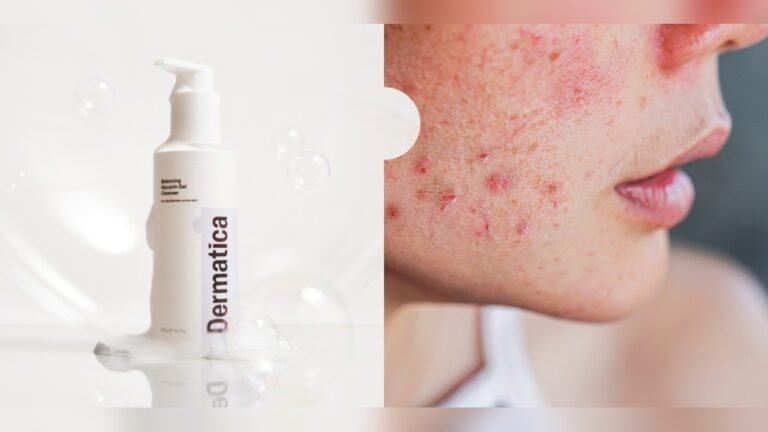
The AAD describes acne as what happens when pores become clogged. Oil glands enlarge under the influence of hormones, especially at puberty, and make more oil. That oil mixes with dead skin cells and blocks the pore, producing blackheads and whiteheads. When bacteria multiply inside and the area becomes inflamed, you get red pimples and, in deeper cases, painful nodules. Family history matters: the AAD notes risk is higher if a parent or close relative had severe acne.
Why Cheeks in Particular
Cheeks are the largest, flattest area of the face, and they touch more things than any other part. Dermatologist Dr David E. Bank describes “acne mechanica” as acne that results from material or objects touching the face. On the cheeks that means:
- Pillowcases: unwashed fabric collects oil, dirt and bacteria, and rough fabric adds friction.
- Phones: a screen pressed to the cheek transfers oil and bacteria and traps heat.
- Hands: resting your chin or cheek on your palm does the same.
- Hair and hair products: the AAD lists oily hair products such as pomade among things that can worsen acne, and long hair brushes them onto the cheeks.
- Masks, helmets and straps: anything that rubs or seals the skin.
One Cheek Only?
Breakouts on one side usually point to a contact habit: the side you sleep on, the hand you lean on, or the ear you hold your phone to. First Derm notes that spots mainly on the sleep side are a classic pillow pattern. Change the habit for a few weeks and watch whether that side clears.
Common Triggers
| Trigger | What the AAD says |
|---|---|
| Hormones | Likely play a role; the main driver of teen acne and common in adult women over 25. |
| Family history | Raises risk, especially of severe acne. |
| Stress | Does not cause acne but can worsen it. |
| Oily makeup, skincare and hair products | Can worsen acne; choose non-comedogenic products. |
| Smoking and poor sleep | Linked to more or worse acne. |
| Certain foods | May worsen acne in some people; evidence is individual. |
Myths About Cheek Acne
- “Cheek acne means a lung or liver problem.” Face mapping has no support in the dermatology sources we used.
- “Toothpaste dries out spots.” The AAD says it does not fight acne and can irritate skin.
- “Scrubbing cleans the pores.” The AAD advises washing gently with fingertips; scrubbing irritates and can worsen breakouts.
- “Popping speeds it up.” Picking and squeezing prolong clearing and raise the risk of scars and dark spots.
What to Do
- Wash gently twice a day and after sweating, with fingertips and an alcohol-free cleanser.
- Fix contact habits: change pillowcases often, clean your phone, keep hands and hair off your cheeks.
- Switch to non-comedogenic makeup, moisturizer and sunscreen; keep hair products off the face.
- Treat with one proven ingredient (adapalene 0.1%, benzoyl peroxide 2.5% or salicylic acid 0.5 to 2%) applied to the whole acne-prone area, and give it 6 to 8 weeks.
- If it does not improve, see a dermatologist.
For a full step-by-step routine, read how to get rid of cheek acne.
Do and Do Not
Do
- Change pillowcases weekly
- Clean your phone screen
- Use non-comedogenic products
- Give treatment weeks to work
Do not
- Rest your face on your hands
- Pick or squeeze
- Use toothpaste or scrubs
- Switch products every few days
Honest Limits
- Acne has many causes and we cannot diagnose yours.
- Contact factors are well described but not precisely measured in trials.
- We did not test products ourselves.
When to See a Professional
See a board-certified dermatologist if acne is deep, painful or scarring, if dark marks remain after spots heal, if nothing improves after several weeks of consistent treatment, or if you are pregnant or trying to conceive, since some treatments are unsafe then.
Frequently Asked Questions
What causes acne on the cheeks?
The same thing that causes acne anywhere: pores clogged with oil and dead skin, which the AAD links to hormones, family history and certain products. Cheeks add contact factors such as pillowcases, phones and hands.
Does cheek acne mean something about my organs or diet?
No. Face-mapping claims are not supported by dermatology sources. Acne location reflects oil glands, friction and habits, not organs.
Why do I break out on one cheek only?
Look at what touches that side: the pillow side you sleep on, the hand you lean on, or the side you hold your phone to.
Can my pillowcase cause cheek acne?
Unwashed pillowcases collect oil, dirt and bacteria that can clog pores, and rough fabric adds friction. Change it regularly.
Can my phone cause cheek acne?
Dermatologist Dr David Bank describes acne mechanica as acne caused by material or objects touching the face. A phone screen pressed to the cheek fits that pattern. Clean it and use speaker or earbuds.
Does stress cause cheek acne?
The AAD says stress does not cause acne but can make existing acne worse.
Can hair products cause acne on the cheeks?
Yes. The AAD notes oily hair products such as pomade can worsen acne, and long hair carries product onto the cheeks.
Is cheek acne hormonal?
Hormones likely play a role in all acne. Adult acne along the lower face is common in women over 25, according to the AAD. A dermatologist can advise on hormonal treatment.
Does makeup cause cheek acne?
Oily or heavy makeup can. Choose products labeled non-comedogenic and remove them fully each night.
When should I see a dermatologist?
For deep, painful or scarring acne, dark marks after spots heal, no improvement after several weeks of treatment, or if you are pregnant.
The Bottom Line
Cheek acne is ordinary acne plus contact. Treat the pores with a proven ingredient, remove what keeps touching your cheeks, and give it time. If it is painful or scarring, skip the home experiments and see a dermatologist.
Related reading: what causes cheek acne, how to get rid of cheek acne, the best salicylic acid toners, and skin fasting for acne.