

Are your braces rubbing against your cheek and causing constant discomfort? You’re not alone, and you don’t have to suffer through the irritation.
Imagine feeling comfortable every time you smile, talk, or eat—without reaching for the wax. You’ll discover simple, effective ways to stop your braces from rubbing on your cheek without using wax. These easy tips can bring you relief fast, so you can focus on enjoying your day with confidence.
Keep reading to find out how to protect your cheeks and feel better now.
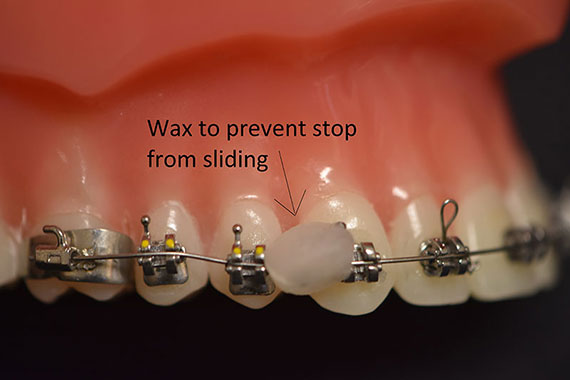
Credit: www.sayreortho.com
Common Causes Of Cheek Irritation
Braces can cause cheek irritation for many reasons. Understanding these causes helps reduce discomfort. Cheeks rubbing against metal brackets or wires often leads to soreness. Knowing why this happens can guide you to better care for your mouth.
Sharp Brackets And Wires
Braces have small metal parts that can be sharp. These edges can poke or scrape the inside of your cheeks. This contact causes red, sore spots. The feeling gets worse when eating or talking.
Tightening Of Braces
Orthodontists tighten braces regularly. This adjustment moves teeth but also changes wire tension. Tighter wires may press more against cheeks. This added pressure can cause irritation and pain.
New Braces Installation
New braces feel strange at first. The mouth needs time to adjust to the metal. During this period, cheeks often rub against brackets more. This causes mild discomfort or small cuts.
Dry Mouth
Dry mouth makes cheek irritation worse. Saliva usually protects the mouth lining. Without enough saliva, cheeks become sensitive. This dryness can increase friction from braces.
Mouth Movements
Chewing, talking, and smiling move cheeks around braces. These movements can cause constant rubbing. This rubbing leads to irritation over time. Careful mouth movements reduce cheek soreness.
Home Remedies To Soothe Cheek Pain
Braces rubbing against the inside of your cheeks can cause pain and discomfort. This irritation can make eating and talking hard. You do not always need special wax to find relief. Several easy home remedies can help soothe the pain and protect your cheeks.
These remedies are simple and use items you likely already have at home. They reduce inflammation and create a soft barrier between your braces and your skin. Try these tips to ease your cheek pain quickly.
Rinse With Salt Water
Mix half a teaspoon of salt in a cup of warm water. Swish the solution gently in your mouth for 30 seconds. Salt water helps clean wounds and reduce swelling. Repeat this rinse two to three times daily for faster healing.
Apply Aloe Vera Gel
Aloe vera soothes irritated skin and helps repair tissue. Use a clean finger or cotton swab to apply pure aloe vera gel to the sore area inside your cheek. Let it sit for a few minutes before rinsing gently with water. Do this twice a day to calm pain and inflammation.
Use A Cold Compress
Place a cold compress or ice pack wrapped in a cloth on the outside of your cheek. Hold it there for 10 to 15 minutes. Cold helps numb the pain and reduce swelling. Avoid putting ice directly on your skin to prevent damage.
Chew Sugar-free Gum
Chewing sugar-free gum can create extra saliva. Saliva helps protect and heal your mouth’s lining. Choose a soft gum and chew gently to avoid more irritation. This method can help reduce soreness over time.
Adjusting Braces For Comfort
Braces can sometimes rub against your cheeks and cause discomfort. Adjusting them carefully can reduce this irritation without needing wax. Small changes in braces’ position help prevent cheek sores and make wearing braces easier.
Checking For Loose Or Protruding Wires
Wires that stick out often cause cheek rubbing. Gently check your braces using a clean finger or mirror. If you find any wire ends poking out, try to bend them back with a clean pencil eraser or ask your orthodontist for help.
Using Orthodontic Tools For Minor Adjustments
Small orthodontic tools can help adjust brackets and wires safely. Tweezers or orthodontic pliers can push wires back into place. Only do minor adjustments to avoid damage or pain. Always clean your tools before use.
Visiting Your Orthodontist For Professional Adjustments
Professional help is best for serious discomfort. Your orthodontist can trim or reposition wires and brackets. Regular visits keep braces comfortable and prevent cheek injuries. Don’t hesitate to schedule an appointment if pain persists.
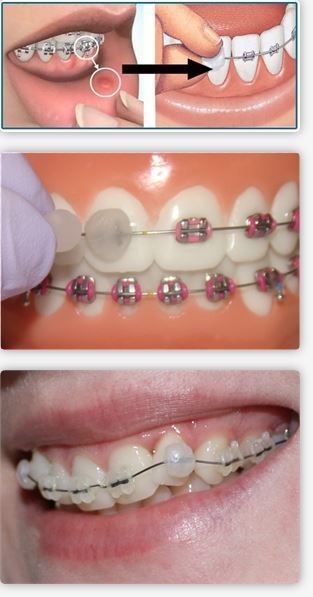
Credit: texasorthodonticspecialists.com
Protective Alternatives To Wax
Braces can rub against your cheeks and cause discomfort. Wax is a common fix, but not the only one. Several other options can protect your cheeks and ease pain. These alternatives help keep your mouth comfortable without wax.
Silicone Guards
Silicone guards fit over braces to cushion the sharp edges. They are soft and flexible, providing gentle protection. You can cut them to the right size for your braces. These guards stay in place and reduce rubbing effectively.
Orthodontic Rubber Bands
Rubber bands used for braces can also protect cheeks. Loop them around brackets to cover rough spots. They create a smooth surface that stops irritation. These bands are easy to adjust and replace as needed.
Mouth Rinses For Soothing
Special mouth rinses help reduce pain from rubbing. They soothe inflamed skin and speed healing. Using a rinse after meals keeps your mouth clean and calm. This method supports comfort without covering braces.
Soft Silicone Mouth Guards
Soft mouth guards fit over your teeth and braces. They create a barrier between braces and cheeks. These guards are comfortable to wear and easy to clean. Ideal for use during sleep or sports activities.
When To See Your Orthodontist
Braces rubbing against your cheeks can cause discomfort and sores. Sometimes, the irritation won’t go away with home care. Knowing when to see your orthodontist is important. They can fix issues before they get worse. Acting early helps keep your mouth healthy and pain-free.
Signs Of Persistent Irritation
If your cheeks stay sore for several days, visit your orthodontist. Constant pain or open sores show that the braces need adjusting. Do not wait for the problem to heal on its own. Persistent irritation can lead to infections or other problems.
Sharp Or Loose Brackets
Brackets or wires that poke your cheek cause pain. Sometimes, they come loose and move out of place. This can make rubbing worse. Your orthodontist can fix or reposition them safely and quickly.
Difficulty Eating Or Speaking
Braces that hurt your cheeks might also affect eating or talking. If you struggle to chew or speak clearly, schedule a visit. Your orthodontist can check for issues and ease the discomfort. Early care improves your daily comfort and function.
Signs Of Infection Or Swelling
Swelling, redness, or pus near the braces needs urgent attention. These symptoms mean infection may have started. Infection can spread quickly and cause serious problems. Contact your orthodontist right away to get treatment.

Credit: www.reddit.com
Frequently Asked Questions
How Can I Stop Braces From Rubbing My Cheek Without Wax?
Use orthodontic silicone sleeves or soft dental silicone to cover brackets gently.
What Household Items Help Prevent Braces Cheek Rubbing?
Try sugar-free gum or orthodontic silicone to create a soft barrier on braces.
Can Saltwater Rinses Reduce Cheek Irritation From Braces?
Saltwater rinses soothe and heal irritated cheeks caused by braces rubbing.
How Does Orthodontic Silicone Protect Cheeks From Braces?
It cushions brackets, reducing friction and preventing cheek sores.
Are There Easy Diy Ways To Protect Cheeks From Braces?
Yes, applying orthodontic silicone or using a soft mouth guard helps.
How Often Should I Check For Cheek Irritation With Braces?
Check daily for redness or sores to manage irritation early and avoid pain.
Conclusion
Braces rubbing on your cheek can feel very uncomfortable. You can try simple home tricks to ease the pain. Soft foods and gentle rinsing can help your mouth heal faster. Using orthodontic silicone or a cotton ball can reduce rubbing without wax.
Always keep your braces clean to avoid more irritation. Small changes make a big difference in comfort. Stay patient; your mouth will adjust over time. Taking care of your braces helps you smile with confidence soon.