

Are you curious about how long it takes for cheek filler to settle after your treatment? You want to see the full results without guessing or feeling impatient.
Understanding the timeline can help you plan your schedule and manage your expectations. You’ll discover exactly what happens after your cheek filler session and when you can expect to see the final look. Keep reading to get the clear answers you need for a confident, beautiful outcome.
Initial Effects After Cheek Filler
After getting cheek filler, the face shows some changes right away. These are called the initial effects. They are normal and part of the healing process. Understanding these effects helps you know what to expect in the first hours and days.
The skin may feel tender and look a little different. Some swelling or small bruises might appear. These effects do not last long. They usually start to fade within a few days. Taking care of your skin after the procedure supports faster healing.
Immediate Swelling And Bruising
Swelling happens because the skin reacts to the filler injection. It can make cheeks look puffier than expected. Bruises may show as small purple or blue spots near injection sites. Both swelling and bruising are common and temporary.
Swelling often peaks in the first 24 to 48 hours. Bruises may take a few days to fade. Cold compresses can help reduce swelling. Avoid touching or pressing the area too much to prevent irritation.
First 24 Hours Care Tips
Rest and avoid heavy exercise on the first day. Keep your head elevated to lower swelling. Use cold packs gently on cheeks for 10 minutes every hour. Avoid hot showers, saunas, or sun exposure during this time.
Do not drink alcohol or take blood-thinning medicines like aspirin. These can increase bruising. Follow your doctor’s advice carefully. Proper care helps your cheeks settle faster and look natural.
Timeline For Cheek Filler Settling
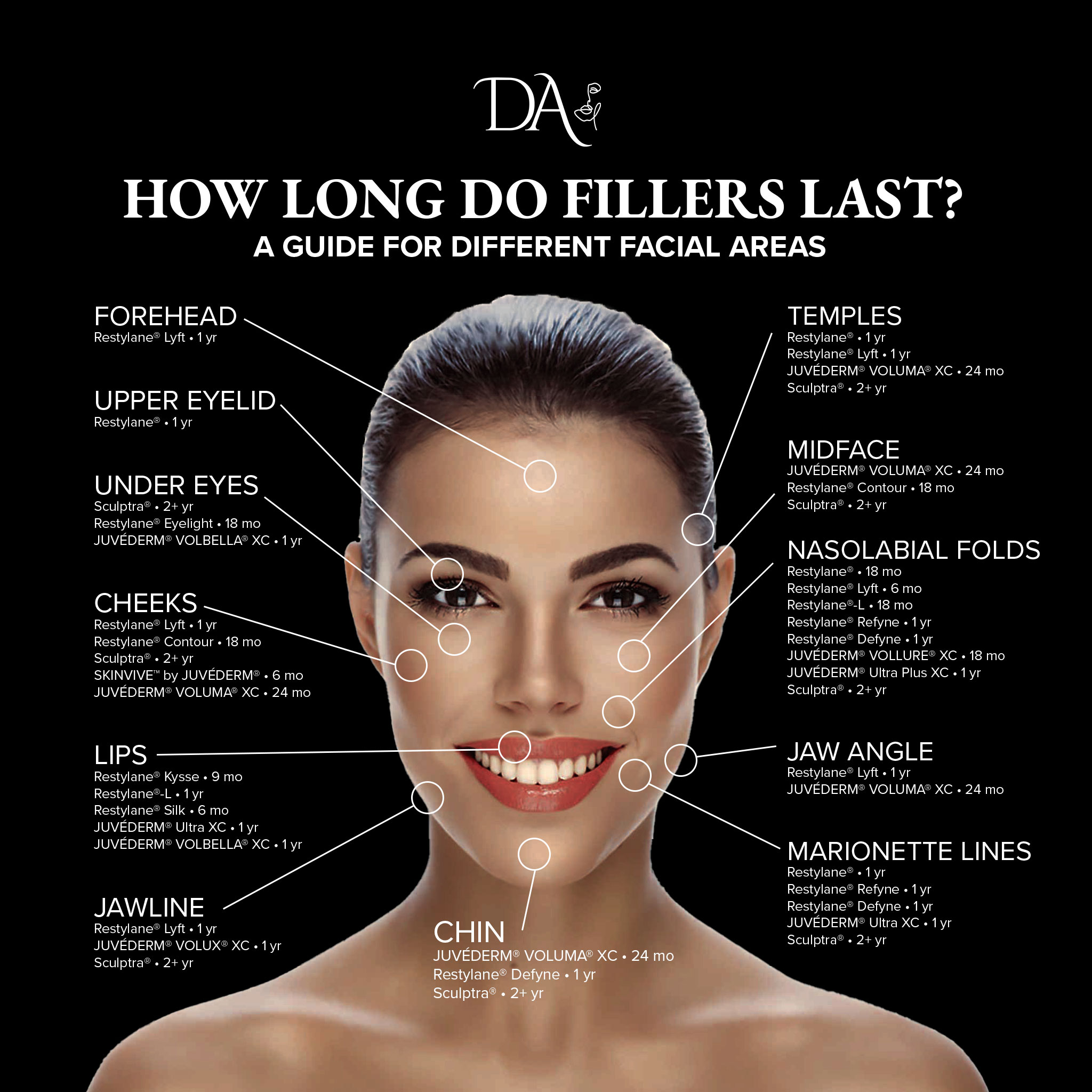
Understanding the timeline for cheek filler settling helps set clear expectations. Cheek fillers need time to blend with your skin and tissues. This process happens over several weeks. Patience is key to seeing the full results.
What Happens In The First Week
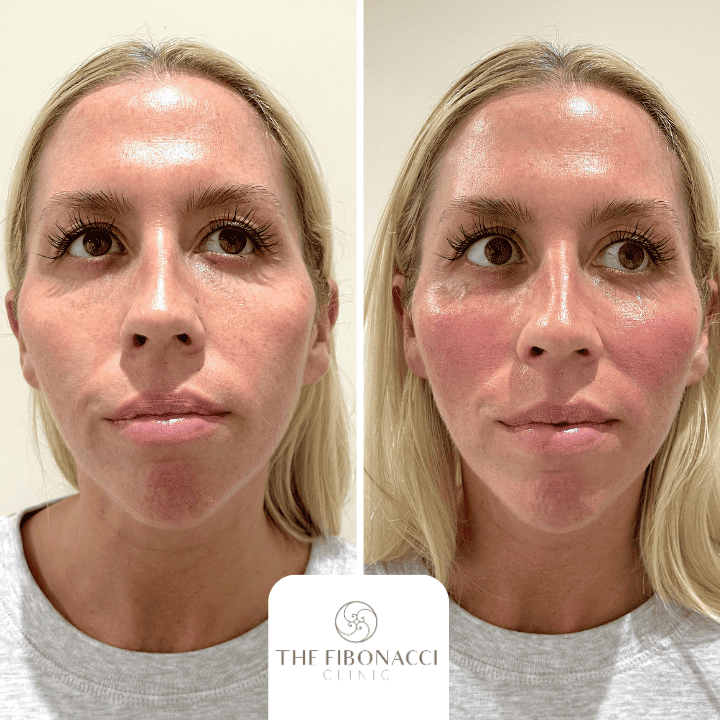
Swelling and redness are common right after treatment. The treated area may feel tender or firm. Small bumps or unevenness might appear. These signs show your body is reacting to the filler. Avoid heavy exercise or touching the area too much. Most swelling starts to go down by the end of the week.
Changes In The Second And Third Week
The filler begins to settle into place. Swelling fades, revealing smoother contours. Any bumps usually disappear as the filler spreads evenly. Your skin will start to look more natural. Some mild bruising may still be visible but will lessen. By the third week, the final shape becomes clearer.
Factors Influencing Settling Time
The time it takes for cheek fillers to settle varies for many reasons. Each person’s experience is unique. Several factors can change how fast or slow the filler looks natural. Understanding these helps set the right expectations.
Type Of Filler Used
Different fillers have different textures and ingredients. Some fillers are thicker and take longer to soften. Others are lighter and settle faster. The brand and formula affect how the body reacts. This impacts how soon the cheeks look smooth and natural.
Individual Skin And Metabolism
Everyone’s skin is different. Some skin types hold filler well. Others may cause the filler to break down faster. Metabolism plays a big role too. A faster metabolism can absorb filler quicker. This changes how long the results last and how fast they settle.
Injection Technique
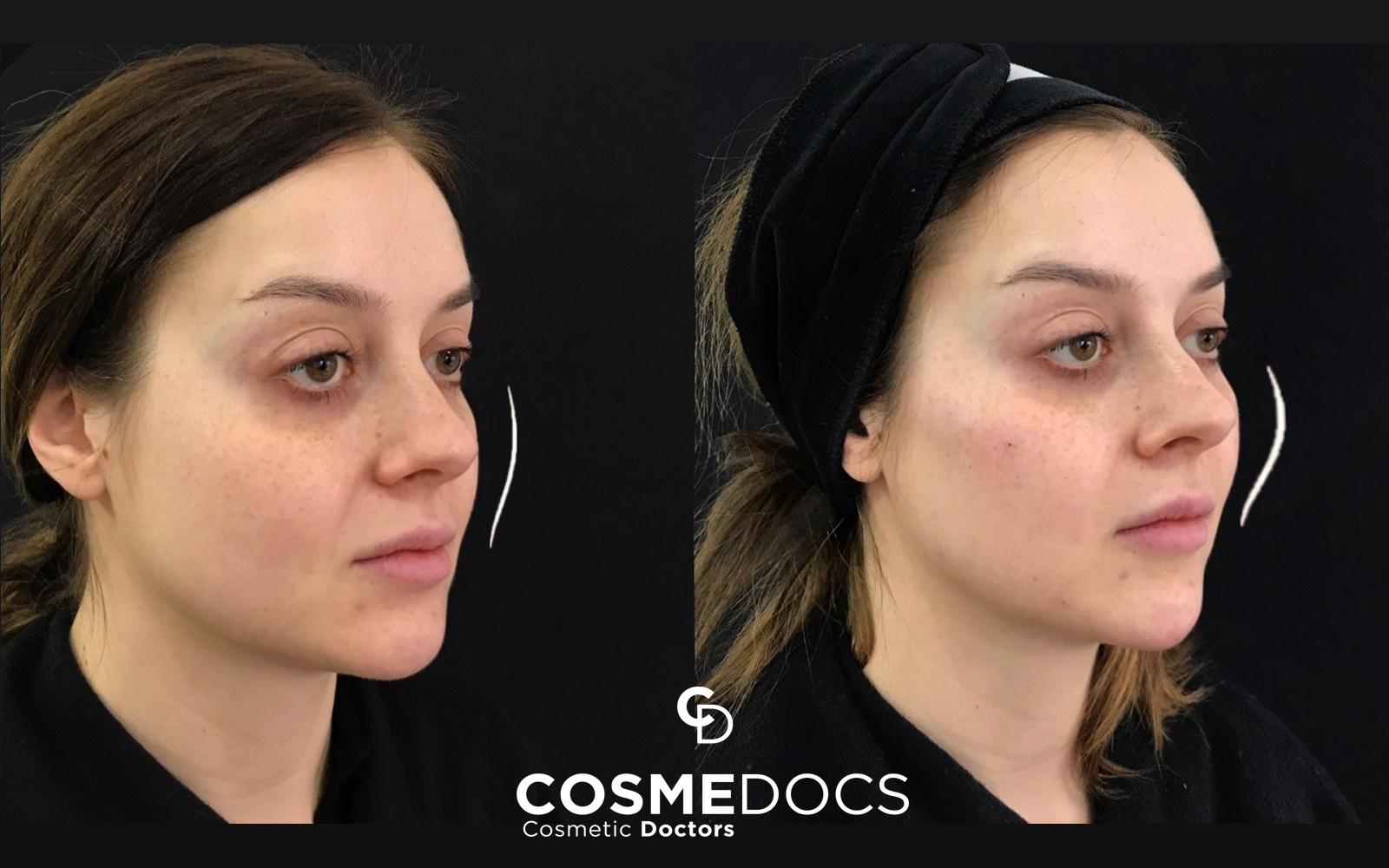
The skill and method of the injector matter a lot. Proper placement helps the filler settle evenly. Poor technique can cause lumps or unevenness. The amount injected and depth also affect settling time. A good technique ensures a natural, smooth look sooner.
Credit: www.cosmedocs.com
Signs Your Cheek Filler Has Settled
Knowing the signs your cheek filler has settled helps you understand the healing process. After treatment, your face changes gradually. These signs show when the filler looks natural and feels right. Pay attention to how your skin feels and looks over time.
Watch for smooth skin and less swelling. These are good signs your cheeks are healing well. Being patient is important. The filler needs time to settle into your skin properly.
Smoothness And Natural Appearance
Your cheeks should feel soft and smooth, not hard or bumpy. The filler blends with your skin as it settles. The shape looks natural and matches your face. Your features should look balanced. Avoid sharp edges or lumps. This shows the filler has spread evenly.
Reduced Swelling Indicators
Swelling is normal after cheek filler injections. It goes down after a few days. Your skin looks less puffy and more like usual. Redness and tenderness also fade away. Reduced swelling means the filler is settling. You can touch your cheeks without discomfort. This signals healing and good results.
When To Seek Follow-up Or Adjustments
After getting cheek fillers, the waiting period to see final results can bring questions. Knowing when to seek follow-up or adjustments is important for best outcomes. Your face changes during the healing phase. Swelling goes down, and filler settles. Noticing any issues early can help fix problems quickly.
Common Concerns And Solutions
Some common concerns include unevenness or lumps. Sometimes one cheek looks fuller than the other. Mild bruising or swelling may last longer than expected. Redness or tenderness could signal irritation. These issues often improve on their own within two weeks.
If discomfort or lumps persist, contact your injector. They might gently massage the area to smooth lumps. For uneven volume, small extra filler can balance cheeks. Rarely, hyaluronidase injections dissolve excess filler. This enzyme breaks down filler safely and quickly.
Timing For Touch-ups Or Corrections
Wait at least two weeks before deciding on corrections. This time lets swelling subside and filler settle naturally. Touch-ups usually happen 3 to 4 weeks after the first treatment. Your provider assesses your face shape and filler placement then.
Some people need a small additional touch-up to perfect results. Others may want corrections for changes from swelling or movement. Scheduling follow-ups in advance helps maintain your desired look. Clear communication with your injector ensures the best plan.
Credit: fibonacciclinic.com
Credit: www.direct-aesthetics.com
Frequently Asked Questions
How Long Does Cheek Filler Usually Take To Settle?
Cheek filler typically takes about 1 to 2 weeks to fully settle and show final results.
What Factors Affect Cheek Filler Settling Time?
Swelling, filler type, and individual healing speed can change how long cheek filler takes to settle.
Can I Speed Up The Cheek Filler Settling Process?
Gentle massage and avoiding heat or pressure can help reduce swelling and speed up settling.
When Will Swelling From Cheek Filler Go Down?
Swelling usually reduces within 3 to 5 days after the filler injection.
Is It Normal For Cheek Filler To Feel Firm Initially?
Yes, firmness is common at first and softens naturally as the filler settles.
When Should I See My Doctor After Cheek Filler Treatment?
Contact your doctor if swelling or pain lasts more than two weeks or worsens.
Conclusion
Cheek fillers usually take a few days to start settling. Swelling and bruising can last up to two weeks. Most people see final results within one month. Patience is key for the best outcome. Follow your doctor’s advice for care after treatment.
Remember, every person’s healing process is different. Enjoy your refreshed look once the filler settles completely.