6 Best Salicylic Acid Toners (2026): How to Pick the Right Strength
By Rakib Sarwar | Last updated: | Editorial policy
As an Amazon Associate we earn from qualifying purchases. This does not change what we recommend. See our affiliate disclaimer.
Salicylic acid is one of the few over-the-counter ingredients that clearly helps with blackheads and mild breakouts, and the toner format makes it easy to use all over the face. It is also easy to overdo. This guide compares six popular salicylic acid toners and explains how to pick a strength that your skin can handle.
In short: most picks here are 2%, the top of the FDA’s 0.5 to 2 percent over-the-counter range, so start slowly, patch test first, and wear sunscreen.
Good for
- Blackheads, whiteheads and mild breakouts
- Oily or combination skin with clogged pores
- People who want a simple, one-step acid routine
Be careful about
- Dry, sensitive or broken skin, which acids can irritate
- Using several actives at once, such as retinoids and benzoyl peroxide
- Expecting pores to shrink or severe acne to clear without a dermatologist
Key Takeaways
- The FDA lists salicylic acid at 0.5 to 2 percent for over-the-counter acne use.
- Patch test on a small area for three days before first use, as MedlinePlus advises.
- Start slowly and scale back if skin dries out or peels.
- Allow six to eight weeks to judge results, then see a dermatologist if nothing improves.
- Do not apply to broken, red or irritated skin, and keep it out of your eyes.
Top Picks: Six Salicylic Acid Toners
These six products come from six different brands and are widely reviewed. They are options to compare, not a ranking, and the table shows each maker’s current listing.




Each button opens the listing on Amazon. Read the label there and confirm the active ingredient and strength before you buy.
Product-by-Product Notes
These notes use only what each listing states, plus the safety points covered below. They are not lab tests, and the order follows the table.
Paula’s Choice Skin Perfecting 2% BHA Liquid Exfoliant

Best for: Congested, bumpy or blackhead-prone skin that tolerates exfoliation
This is a leave-on liquid with 2% salicylic acid, the top of the over-the-counter range the FDA allows for acne products. It is a “liquid exfoliant” more than a classic toner, so you apply it with a cotton pad or fingertips and leave it on.
Because the strength is at the ceiling, start slowly. Use it a few nights a week, watch for stinging or peeling, and add days only if your skin stays calm.
- 2% salicylic acid (BHA) leave-on liquid
- Applied after cleansing, no rinsing
- Fragrance-free according to the listing
Pros
- Full 2% strength
- Works for blackheads and rough texture
- Simple one-step use
Cons
- Higher irritation risk for sensitive skin
- Not a hydrating toner
- Needs daily sunscreen
Skip it if: your skin is dry, reactive, or you are new to acids and want a gentler start.
Anua BHA 2% Gentle Exfoliating Toner

Best for: People who want a 2% BHA toner with a softer, toner-like feel
The listing positions this as a gentle exfoliating toner with salicylic acid at 2%. That makes it a close alternative to harder-hitting liquids for people who like a toner texture.
“Gentle” is a marketing word, not a tested claim. Patch test first and treat it like any acid: few nights a week, then adjust.
- 2% BHA exfoliating toner
- Smaller 5.07 fl oz bottle
- Toner-style, applied with a pad
Pros
- Familiar toner texture
- 2% strength
- Popular with beginners to BHA
Cons
- Small bottle
- Gentle claim is not independently tested
- Ingredient list should be checked on the listing
Skip it if: you react to acids easily or want a product with no exfoliant at all.
Thayers Blemish Clearing Salicylic Acid Toner

Best for: Occasional breakouts and oily or combination skin
The listing states 2% salicylic acid and describes it as an acne-treatment face toner. Thayers is widely known for botanical-style toners, so this suits people who like that style.
Check the full ingredient list on the listing for fragrance or botanical extracts if your skin is easily irritated.
- 2% salicylic acid per the listing
- Acne-treatment toner
- Applied with a cotton pad
Pros
- Clear 2% claim
- Well-known brand
- Works as a spot-prone-area step
Cons
- Botanical extracts can irritate some skin
- Not for dry skin
- Needs sunscreen daily
Skip it if: you are sensitive to plant extracts or fragrance.
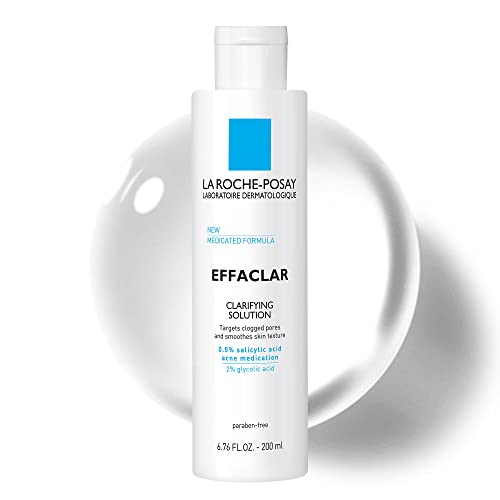
La Roche-Posay Effaclar Clarifying Solution

Best for: Skin that wants a pharmacy-brand acne toner
This is a salicylic acid acne toner from a skincare brand sold through pharmacies. The listing title does not state the percentage, so confirm the strength on the label before you buy.
Read the active ingredient panel and the warnings. A product that is sold as an acne treatment must list its drug facts.
- Salicylic acid acne toner
- 6.7 oz bottle
- Applied with a pad after cleansing
Pros
- Established pharmacy-style brand
- Large bottle
- Drug facts on the label
Cons
- Strength not shown in the listing title
- Can still dry skin
- Not a hydrating toner
Skip it if: you want the strength shown up front in the product name.
Farmacy Deep Sweep 2% Salicylic Acid Toner

Best for: Visible pores and oily T-zones
The listing names a 2% BHA liquid exfoliant meant to clear pores. It sits with the other 2% options, so the same patch-test-and-go-slow approach applies.
Pore appearance is mostly genetics and oil. Exfoliation can reduce clogged pores but cannot shrink pore size permanently.
- 2% salicylic acid BHA liquid
- Pore-cleaning positioning
- Toner-style application
Pros
- 2% strength
- Good fit for oily skin
- Clear BHA labeling
Cons
- Pore-shrinking claims are overstated
- Can irritate dry skin
- Needs daily sunscreen
Skip it if: you hope it will permanently shrink pores.
Humane Clarifying Toner 2% BHA

Best for: A simple 2% BHA liquid without extras
The listing describes a 2% BHA liquid salicylic acid toner. It is a straightforward option for people who want the active ingredient without a long marketing story.
As with the others, strength is high, so introduce it slowly and stop if skin stings, burns or peels.
- 2% BHA liquid salicylic acid
- Clarifying toner for face
- Pad or fingertip application
Pros
- Straightforward formula
- 2% strength
- Simple routine fit
Cons
- Few extras for hydration
- Can dry or sting
- Needs sunscreen daily
Skip it if: your skin is dry or recovering from irritation.
How We Compared
We did not test these products ourselves. We looked at what each listing states, such as strength and format, and weighed it against guidance from the FDA, MedlinePlus and Medical News Today. See our editorial policy for how we choose and update products.
Choosing a Strength
The FDA’s small-business guidance on acne products lists salicylic acid at 0.5 to 2 percent. Most toners here sit at the top of that range, so the main decision is how gently to start, not which product has the most acid.
| Product | Strength in listing | Format |
|---|---|---|
| Paula’s Choice 2% BHA | 2% | Leave-on liquid |
| Anua BHA 2% | 2% | Toner |
| Thayers Blemish Clearing | 2% | Toner |
| La Roche-Posay Effaclar Clarifying Solution | Check the label | Toner |
| Farmacy Deep Sweep | 2% | BHA liquid |
| Humane Clarifying Toner | 2% | Liquid toner |
Format matters too. A leave-on liquid stays on your skin and can irritate more than a rinse-off product. A pad-applied toner is easier to control.
How to Choose in 5 Steps
- Name your goal. Blackheads and clogged pores respond best.
- Check your skin type. Dry or sensitive skin may do better with a lower strength or less frequent use.
- Read the label. Confirm the active ingredient and percentage.
- Patch test. Try a small area for three days.
- Go slowly. Add frequency only if skin stays comfortable. Our guide on how to use salicylic acid toner has a simple schedule, and what salicylic acid toner does explains the science.
Do and Do Not
Do
- Patch test first
- Start slowly and increase gradually
- Moisturize and use daily sunscreen
- Stop if skin stings badly
Do not
- Apply to broken, red or irritated skin
- Get it in your eyes, nose or mouth
- Layer it with benzoyl peroxide or retinoids without medical advice
- Expect overnight results
Who Should Skip It
Skip salicylic acid toner if you have broken, sunburned or very irritated skin, if you are allergic to salicylates, or if a doctor has told you to avoid it. MedlinePlus also notes that children and teens with chickenpox or flu should not use it unless a doctor says so, because of the risk of Reye’s syndrome. Ask a doctor first if you have kidney or liver disease or diabetes.
Honest Limits
- We did not test these products, so we cannot say which one works best for you.
- Strength and ingredients can change, so always check the current label.
- Evidence for mild acne is stronger than for pore size or skin glow.
When to See a Professional
See a dermatologist if you have painful, deep or scarring acne, if there is no improvement after six to eight weeks, or if you get a rash, swelling or trouble breathing. Call a doctor right away for symptoms such as confusion, ringing in the ears, rapid breathing or severe nausea, which MedlinePlus lists as serious.
Frequently Asked Questions
What does a salicylic acid toner do?
It is a beta hydroxy acid that dissolves oil and loosens dead skin inside pores, which helps with blackheads, whiteheads and mild breakouts. It is not a cure for severe or cystic acne.
What strength should I look for?
The FDA lists salicylic acid at 0.5 to 2 percent for over-the-counter acne products. If you are new to acids, a lower strength is a reasonable start, and you can move up if your skin stays calm.
How often should I use it?
Many sources suggest starting once a day or less, then increasing gradually. If skin becomes very dry or peels, cut back to every other day. Always follow the label on your product. Our guide on how to use salicylic acid toner covers a step-by-step routine.
Do I need to patch test?
Yes. MedlinePlus advises testing a small area of skin for three days before first use. Stop and seek help if you get hives, swelling, or trouble breathing.
How long until I see results?
Medical News Today suggests allowing six to eight weeks. If there is no improvement by then, see a dermatologist rather than increasing strength or frequency.
Can I use it with retinol, benzoyl peroxide or other acids?
Combining actives raises the chance of dryness and irritation. MedlinePlus lists benzoyl peroxide, tretinoin and alcohol-based products among things not to combine on the same skin unless your doctor approves.
Is a salicylic acid toner safe during pregnancy?
Medical News Today notes that topical use is generally considered low risk because little is absorbed, but anyone pregnant or breastfeeding should ask their doctor first.
Can it shrink my pores?
No. Pore size is largely genetic. Clearing oil and debris can make pores look less obvious, but the effect is not permanent.
Will it make me more sun sensitive?
Exfoliating products can leave skin more irritated by sun, so daily broad-spectrum sunscreen is a sensible habit while you use any exfoliating acid.
Is a toner better than a cleanser or spot treatment?
It depends on your skin. Cleansers are on the skin briefly, spot treatments cover small areas, and toners cover the whole face. For wider congestion, a leave-on toner is convenient, but it also has the highest chance of overuse.
The Bottom Line
A 2% salicylic acid toner can help with clogged pores and mild breakouts, but strength is not the same as better. Choose a product you can label-check, patch test it, go slowly, and give it several weeks.
Related reading: how to use salicylic acid toner, what salicylic acid toner does, and what toner to use after a salicylic acid cleanser.