

Have you ever looked in the mirror and noticed that the inside of your cheek is swollen? It can feel uncomfortable, confusing, and sometimes even a little scary.
You might wonder if it’s something serious or just a minor irritation. Understanding why your cheek is swollen can help you find relief faster and avoid unnecessary worry. You’ll discover the most common reasons behind this swelling and simple steps you can take to feel better quickly.
Keep reading to learn what’s really going on inside your mouth and how to handle it.

Credit: www.reddit.com
Common Causes Of Cheek Swelling
Swelling inside the cheek happens for several reasons. It can feel uncomfortable and worrying. Knowing common causes helps understand the problem better. It also guides you on when to see a doctor.
Infections And Abscesses
Infections are a common cause of cheek swelling. Bacteria can enter through a cut or sore inside the mouth. This causes redness, pain, and swelling. An abscess is a pocket of pus that forms from infection. It creates a painful, swollen bump inside the cheek.
Allergic Reactions
Allergic reactions cause swelling quickly. Foods, medications, or other substances can trigger this. The cheek may become puffy and itchy. Allergies sometimes cause difficulty breathing. This needs urgent medical care.
Injury Or Trauma
Injury to the cheek can cause swelling and bruising. Biting the inside of the cheek by accident is common. Sports injuries or falls also cause swelling. The area may feel tender and sore.
Dental Issues
Problems with teeth often lead to cheek swelling. Tooth decay or gum disease can spread infection. Impacted wisdom teeth can also cause swelling. Dental abscesses create painful, swollen areas inside the cheek.
Symptoms To Watch For
Swelling inside the cheek can signal different health issues. Watching for key symptoms helps understand the cause. Early detection supports faster relief and proper care. Pay attention to changes around the swollen area and overall health.
Pain And Tenderness
Pain often comes with swelling inside the cheek. The area might hurt when touched or moved. Tenderness may increase during eating or speaking. Sharp or dull pain can both occur. Pain can show infection or injury under the skin.
Redness And Warmth
Swollen cheeks may look red or feel warm. These signs often mean inflammation or infection. The skin might shine or stretch tight. Redness spreads if the problem worsens. Warmth signals the body fighting a problem inside.
Fever And Other Signs
Fever can appear with cheek swelling. It means the body fights an infection. Other signs include tiredness and general discomfort. Mouth sores or bad taste might happen. Watch for difficulty opening the mouth or swallowing.
Home Remedies For Quick Relief
Swelling inside the cheek can be uncomfortable and distracting. Many home remedies help reduce swelling quickly. These methods are simple and use items you likely have at home. They ease pain and help reduce inflammation fast. Try these easy remedies for quick relief and comfort.
Cold Compress Application
Applying a cold compress can reduce swelling and numb pain. Wrap ice cubes in a clean cloth or use a cold pack. Hold it gently against the swollen cheek for 10 to 15 minutes. Repeat this every few hours to soothe the area. Avoid placing ice directly on the skin to prevent frostbite.
Saltwater Rinse
Saltwater rinse helps clean the mouth and reduce swelling. Mix half a teaspoon of salt in a glass of warm water. Swish the solution around your mouth for 30 seconds, then spit it out. Do this two to three times daily to help fight infection and soothe irritation.
Over-the-counter Pain Relief
Over-the-counter pain relief medicines can ease discomfort. Non-prescription painkillers like ibuprofen or acetaminophen work well. Follow the instructions on the label for the correct dose. These medicines help reduce pain and swelling quickly. Avoid using more than the recommended amount.
When To See A Doctor
Knowing when to see a doctor for a swollen cheek inside is very important. Some cases need medical care to prevent problems. Learn the signs that show you need help from a health professional.
Persistent Or Worsening Swelling
Swelling that does not get better in a few days needs attention. If the swelling grows bigger or feels harder, see a doctor. This could mean a serious problem that needs treatment.
Signs Of Infection
Infections can cause swelling inside the cheek. Watch for redness, warmth, and pain around the swollen area. Pus or a bad taste in the mouth may also appear. Fever is a clear sign of infection. Visit a doctor quickly to stop the infection from spreading.
Difficulty Eating Or Speaking
If swelling makes chewing or talking hard, medical help is needed. This can affect your daily life and cause more pain. A doctor can find the cause and suggest ways to ease the discomfort.
Preventing Cheek Swelling
Preventing cheek swelling helps keep your mouth healthy and pain-free. Swelling inside the cheek can cause discomfort and trouble while eating or talking. Taking simple steps every day lowers the risk of swelling. Careful habits protect the inside of your mouth from irritation and injury.
Oral Hygiene Tips
Brush your teeth gently twice a day using a soft brush. Clean your mouth carefully to avoid hurting the cheek. Use fluoride toothpaste to keep teeth strong and prevent infections. Floss daily to remove food stuck between teeth. Rinse your mouth with a mild mouthwash to kill germs. These habits reduce germs that cause swelling and pain.
Avoiding Allergens
Some foods and products cause allergic reactions that swell the cheek. Stay away from foods like nuts or shellfish if you are allergic. Check labels on toothpaste and mouthwash for harmful chemicals. Use hypoallergenic products made for sensitive mouths. Avoid smoking or vaping, as these irritate your mouth lining. Knowing your triggers helps keep your cheeks calm and healthy.
Protecting Against Injury
Cheek swelling often comes from biting or injury inside the mouth. Chew slowly and carefully to avoid biting your cheek. Wear a mouthguard during sports to protect your mouth from hits. Avoid sharp or hard foods that can cut your cheek. Stay alert to prevent accidental injuries while eating or talking. These actions keep the cheek safe and reduce swelling risks.

Credit: www.reddit.com
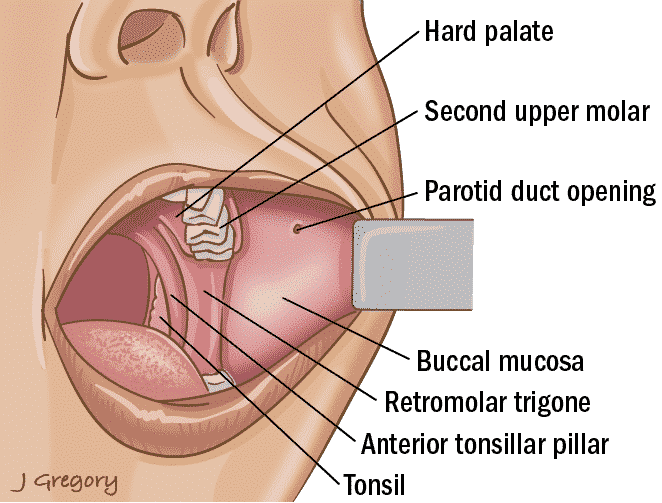
Credit: thancguide.org
Frequently Asked Questions
Why Is The Inside Of My Cheek Swollen Suddenly?
Swelling inside the cheek often comes from injury, infection, or an allergic reaction.
Can Cheek Swelling Be Caused By Dental Problems?
Yes, tooth infections or abscesses can cause swelling inside the cheek near the affected area.
How Long Does Cheek Swelling Usually Last?
Cheek swelling often lasts a few days but should improve with proper care or treatment.
What Home Remedies Reduce Cheek Swelling Quickly?
Cold compresses and saltwater rinses can help ease swelling and soothe pain.
When Should I See A Doctor For Cheek Swelling?
Seek medical help if swelling worsens, lasts more than a week, or comes with fever.
Can Cheek Swelling Be A Sign Of A Serious Condition?
Sometimes, it indicates serious infections or cysts that need prompt medical attention.
Conclusion
Swelling inside your cheek can have many causes. It may be from biting, infection, or allergies. Most cases improve with simple care and rest. Watch for pain, fever, or lasting swelling. These signs mean you should see a doctor. Taking care early helps avoid bigger problems.
Remember, your mouth’s health affects your whole body. Stay aware and act quickly when swelling starts. This keeps you comfortable and healthy every day.

Munia Akondh is a passionate skincare writer with a foundation in life sciences, which gives her a unique scientific perspective on beauty and skincare. As a digital marketer and skincare geek, Munia combines her love for product research, skin health, and marketing to create insightful content that resonates with beauty enthusiasts. Her expertise spans from understanding skincare ingredients to keeping up with the latest trends, making her a trusted voice in the industry.