
Have you ever looked in the mirror and noticed that one cheek seems bigger than the other? You might wonder if it’s just your imagination or if there’s something more behind it.
This common question can be surprising, even a little worrying. But understanding why this happens is the first step to feeling more confident about your appearance. You’ll discover the real reasons behind uneven cheeks and what you can do about them.
Keep reading—you’ll be glad you did.
Common Causes Of Facial Asymmetry
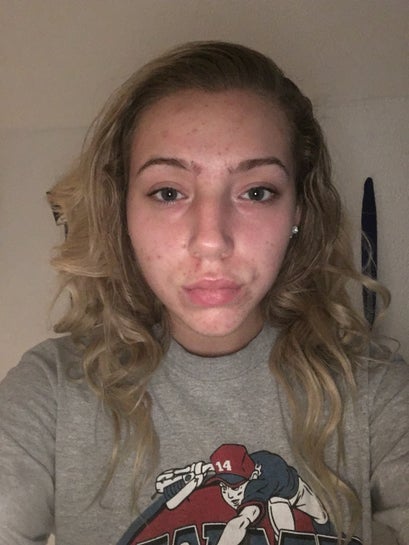
Facial asymmetry means one side of the face looks different from the other. It is common and can happen for many reasons. Some causes are natural, while others come from health or lifestyle factors. Understanding why one cheek might be bigger helps with awareness and care.
Genetic Factors
Genes play a big role in shaping your face. Some people inherit a natural difference in cheek size. This difference is usually mild and does not affect health. It can make your face look unique and special.
Muscle Development Differences
Cheek muscles can grow unevenly. Using one side of the face more, like chewing or smiling, can build stronger muscles. This makes one cheek appear bigger. Muscle exercises or habits can change cheek size over time.
Injuries And Trauma
Accidents or injuries can cause swelling or scars on one side of the face. Trauma may change bone or muscle shape. This can make one cheek look larger or different. Healing and treatment can help reduce these changes.
Dental Issues
Problems with teeth or jaws affect facial symmetry. Tooth loss, misalignment, or jaw disorders can cause uneven cheeks. Dentists can diagnose these issues and suggest treatments. Fixing dental problems often improves cheek balance.
Credit: www.realself.com
Medical Conditions Affecting Cheek Size
Some medical conditions cause one cheek to look bigger than the other. These conditions affect muscles, nerves, or tissues in the face. They can make the face look uneven or swollen. Understanding these conditions helps identify the cause of cheek size difference.
Bell’s Palsy
Bell’s Palsy causes sudden weakness in facial muscles. It affects one side of the face. The cheek on the weak side may droop or look swollen. This happens because nerves controlling muscles stop working properly. The condition often improves with treatment.
Hemifacial Hypertrophy
Hemifacial Hypertrophy is a rare condition. It makes one side of the face grow larger than the other. The cheek on the affected side appears bigger due to extra tissue growth. This condition is usually present from birth and may need medical care.
Infections And Inflammation
Infections or inflammation can cause cheek swelling. Conditions like abscesses or cellulitis make one cheek puff up. The affected area may be red, warm, and painful. Treating the infection reduces the swelling and cheek size difference.
Lifestyle And Environmental Influences
Lifestyle and environment play a big role in why one cheek may look bigger than the other. Simple daily habits can change the shape of your face over time. These small factors often go unnoticed but impact your appearance.
Sleeping Positions
Sleeping mostly on one side puts pressure on that cheek. This pressure can cause swelling or puffiness. Over time, it may make one cheek appear larger. Changing your sleep position helps balance the face shape.
Habits Like Chewing
Chewing mainly on one side trains the muscles to grow more there. Stronger muscles on one cheek create a size difference. Try to chew evenly on both sides for a balanced look.
Diet And Nutrition
Poor diet may cause water retention and swelling in the face. High salt or processed foods increase puffiness, often unevenly. Eating fresh fruits and vegetables helps reduce swelling and improve skin health.
Diagnosing Facial Asymmetry
Facial asymmetry happens when one side of the face looks different from the other. This difference can be small or very visible. It might be natural or caused by health issues. Diagnosing facial asymmetry helps find the reason behind the change. Knowing the cause guides the right treatment or care. Doctors use several ways to check and understand the problem.
When To See A Doctor
See a doctor if one cheek suddenly gets bigger. If swelling lasts more than a few days, get help. Pain, redness, or fever with the swelling needs quick attention. Also, visit a doctor if the size difference grows over time. Early diagnosis can prevent more serious problems.
Common Diagnostic Tests
Doctors start by asking about your health history. They check your face carefully and feel for lumps or swelling. Blood tests can find infections or inflammation. Sometimes a biopsy is needed to check tissues. These tests help find infections, injuries, or other causes.
Role Of Imaging
Imaging tests give clear pictures of bones and soft tissues. X-rays show bone structure and possible fractures. CT scans provide detailed cross-section images. MRI helps see soft tissues, muscles, and nerves. These tools help doctors understand the exact cause of asymmetry.
Treatment And Correction Options
Treatment and correction options for uneven cheeks depend on the cause and severity. Some cases improve with simple methods. Others need medical or cosmetic help. Understanding each choice helps you pick the best path.
Physical Therapy
Physical therapy can help if muscle weakness causes the uneven cheeks. A trained therapist guides you through facial exercises. These exercises strengthen muscles and improve symmetry. Therapy may include massages to relax tight areas. Regular sessions often show gradual improvement.
Surgical Solutions
Surgery is an option for more serious cases. Procedures may reshape bone or muscle for balance. Common surgeries include cheek implants or fat removal. Surgery involves recovery time and some risks. A qualified surgeon evaluates and suggests the best method.
Non-surgical Enhancements
Non-surgical methods offer subtle changes without downtime. Fillers can add volume to the smaller cheek. Botox may relax muscles on the larger side. These treatments are quick and often temporary. Repeat visits keep the face balanced over time.

Credit: www.realself.com

Credit: www.youtube.com
Frequently Asked Questions
Why Is One Cheek Bigger Than The Other Naturally?
Facial muscles and bone structure often cause one cheek to appear larger than the other.
Can Swelling Make One Cheek Look Bigger?
Yes, swelling from injury or infection can temporarily enlarge one cheek.
Does Sleeping Position Affect Cheek Size?
Sleeping mostly on one side can cause slight puffiness in that cheek.
Can Dental Issues Cause Cheek Asymmetry?
Dental problems like abscesses or tooth infections can make one cheek swell.
Is Facial Asymmetry A Sign Of A Health Problem?
Usually no. Mild asymmetry is normal, but sudden changes need a doctor’s check.
Can Exercises Balance Cheek Size?
Facial exercises may improve muscle tone but won’t drastically change cheek size differences.
Conclusion
Uneven cheeks are common and rarely a serious problem. Many factors cause one cheek to look bigger, such as muscles, swelling, or bone shape. Simple habits or small injuries might change your face’s look. If the difference worries you or grows, see a doctor for advice.
Most of the time, the size difference is normal and natural. Embrace your unique look and take care of your health. Your face tells your story, one cheek at a time.

Munia Akondh is a passionate skincare writer with a foundation in life sciences, which gives her a unique scientific perspective on beauty and skincare. As a digital marketer and skincare geek, Munia combines her love for product research, skin health, and marketing to create insightful content that resonates with beauty enthusiasts. Her expertise spans from understanding skincare ingredients to keeping up with the latest trends, making her a trusted voice in the industry.