
Have you ever wondered why acne shows up on your cheeks? What if those pimples are trying to tell you something about your health or lifestyle?
Understanding what cheek acne means can help you take better care of your skin and even spot hidden issues in your body. Keep reading to discover the surprising reasons behind cheek acne and how you can clear it up for good.
Your skin deserves to look and feel its best—and the answers might be closer than you think.

Credit: sozoclinic.sg
Common Causes Of Cheek Acne
Cheek acne is common and can have many causes. Understanding these causes helps in managing and preventing breakouts. The skin on your cheeks is sensitive and reacts to various internal and external factors.
Hormonal Fluctuations
Hormones often trigger cheek acne. Teens and adults both experience changes in hormone levels. These changes increase oil production in the skin. Excess oil clogs pores and causes pimples. Hormonal shifts during menstruation or stress also affect the skin.
Poor Skincare Habits
Not cleaning the face properly can cause cheek acne. Dirt, sweat, and oil build up on the skin. Using harsh or unsuitable products irritates the skin more. Touching the face with dirty hands spreads bacteria. Sleeping on unclean pillowcases can worsen acne.
Diet And Lifestyle Factors
What you eat impacts your skin health. Foods high in sugar and fat may cause acne. Lack of water makes skin dry and prone to breakouts. Poor sleep and stress weaken the skin’s defense. Smoking also harms the skin and can cause acne.
Environmental Triggers
Cheek acne can often result from factors in your surroundings. Small particles and everyday habits affect skin health. Understanding environmental triggers helps manage and reduce cheek breakouts.
Pollution And Allergens
Air pollution carries dirt, dust, and harmful chemicals. These particles settle on your skin and clog pores. Allergens like pollen can also irritate the skin. This irritation may cause redness and acne flare-ups. Washing your face after exposure can reduce these effects. Using gentle cleansers helps remove pollutants without drying skin.
Phone And Pillowcase Hygiene
Your phone screen collects oil, dirt, and bacteria all day. Pressing it against your cheek transfers these to your skin. Dirty pillowcases also trap oils and dead skin cells. Sleeping on unclean fabric can worsen cheek acne. Regularly cleaning your phone and changing pillowcases helps keep skin clear. These small habits prevent bacteria buildup and reduce breakouts.
Internal Health Links
Cheek acne can signal more than just skin problems. It may point to issues inside your body. Understanding these internal health links can help you treat acne better. It also helps to improve your overall well-being.
Here are two key internal health areas related to cheek acne.
Digestive Issues
Your gut health affects your skin. Poor digestion can cause toxins to build up in your body. These toxins may lead to inflammation and acne on your cheeks. Problems like constipation or an imbalanced gut flora often show on the skin. Eating unhealthy foods can worsen this. Fixing digestion can reduce cheek acne.
Immune System Impact
The immune system fights germs and infections. When it weakens, skin problems appear more often. A weak immune system can cause more acne flare-ups on your cheeks. Stress, poor diet, and lack of sleep weaken immunity. Strong immunity helps your skin stay clear and healthy.
Effective Treatment Options
Cheek acne can be frustrating and affect confidence. Treating it properly helps clear the skin faster. There are several ways to manage cheek acne effectively. Some treatments you can do at home. Others require help from a skin expert. Choosing the right option depends on your skin type and acne severity.
Topical Remedies
Topical remedies include creams, gels, and lotions. These products reduce inflammation and kill acne-causing bacteria. Look for ingredients like benzoyl peroxide, salicylic acid, or retinoids. Apply them gently on clean skin twice a day. Overuse can cause dryness and irritation. Moisturize your skin to keep it healthy. Consistent use often shows results in a few weeks. Avoid touching or picking at your acne.
Professional Dermatological Care
Dermatologists offer treatments for stubborn or severe cheek acne. They may prescribe stronger creams or oral medications. Treatments like chemical peels or laser therapy can also help. These procedures reduce acne and improve skin texture. A dermatologist will tailor treatment to your skin needs. Regular follow-ups ensure the treatment works well. Professional care can prevent scars and long-term damage.
Preventive Measures
Preventing cheek acne involves consistent care and smart habits. Small changes can reduce breakouts and keep skin clear. Focus on two main areas for effective prevention.
Daily Skincare Routine
Cleanse your face twice daily with a gentle cleanser. Avoid harsh scrubbing to protect your skin’s barrier. Use a non-comedogenic moisturizer to keep skin hydrated. Apply sunscreen every day to prevent damage and irritation. Remove makeup fully before sleeping to avoid clogged pores.
Lifestyle Adjustments
Eat balanced meals rich in fruits and vegetables. Drink plenty of water to flush out toxins. Avoid touching your face to reduce bacteria transfer. Change pillowcases and towels regularly to keep bacteria away. Manage stress through exercise or relaxation techniques to lower breakouts.
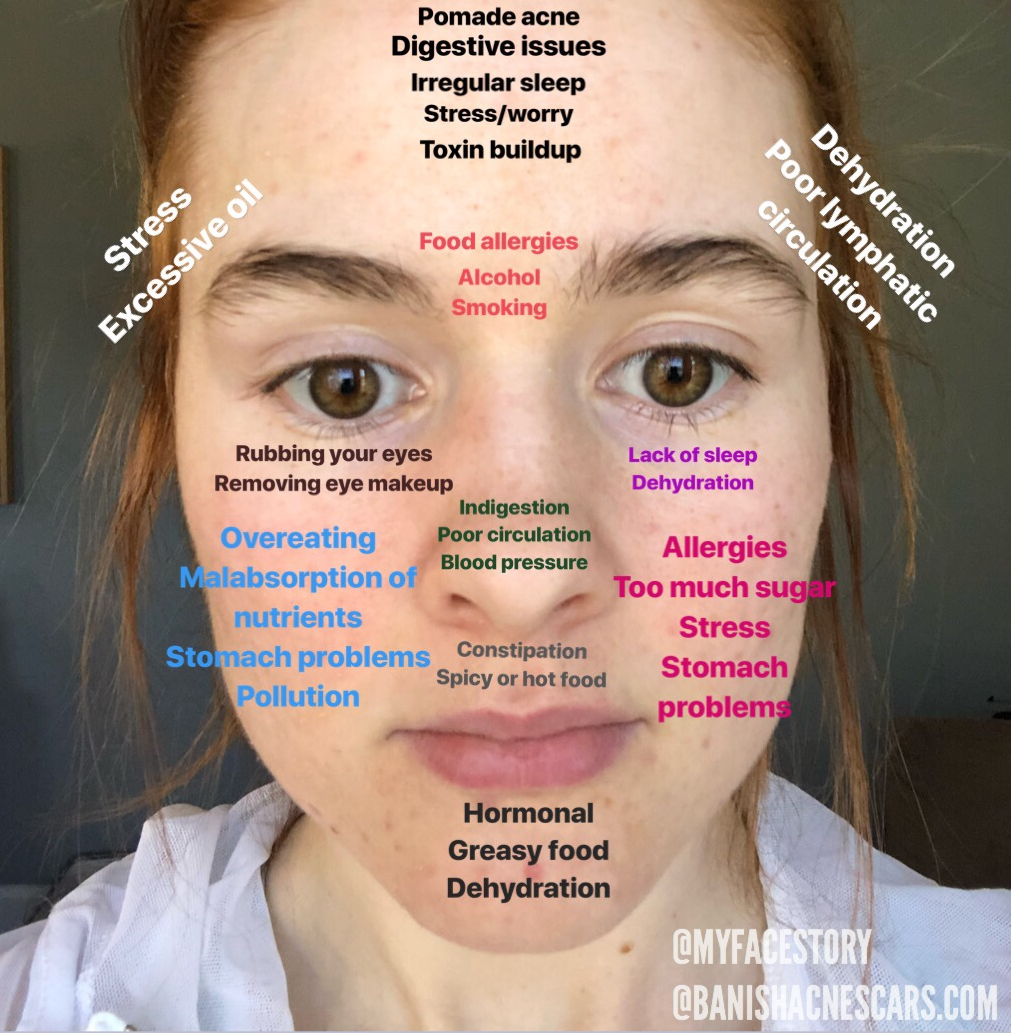
Credit: banish.com
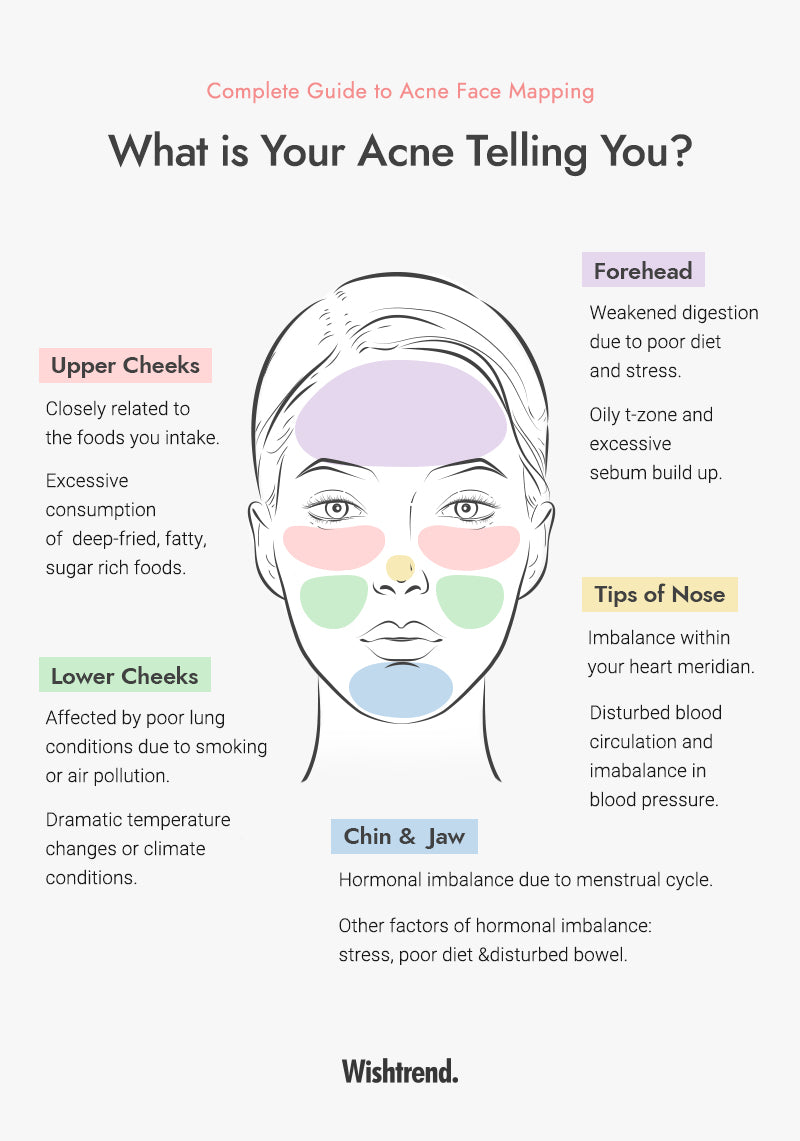
Credit: wishtrend.com
Frequently Asked Questions
What Causes Cheek Acne To Appear Frequently?
Cheek acne often appears due to clogged pores, bacteria, or irritation from phones and pillowcases.
Can Cheek Acne Indicate Health Problems?
Sometimes, cheek acne may signal issues like allergies or hormonal imbalances.
How Does Diet Affect Cheek Acne?
Eating too much sugar or oily foods can worsen cheek acne.
Does Stress Contribute To Cheek Acne Flare-ups?
Yes, stress can increase oil production, leading to more cheek acne.
What Skincare Habits Help Reduce Cheek Acne?
Gentle cleansing, avoiding harsh products, and changing pillowcases often help reduce cheek acne.
Is Cheek Acne Linked To Phone Or Mask Use?
Touching your face with dirty phones or wearing masks can cause cheek acne.
Conclusion
Cheek acne often signals more than just skin issues. It can reflect diet, stress, or hygiene habits. Paying attention to these factors helps improve skin health. Gentle cleansing and healthy eating support clearer cheeks. Avoid touching your face to reduce irritation.
If acne persists, consult a dermatologist for advice. Understanding causes brings better care and confidence. Clear skin is possible with small, steady steps. Keep patience and care in your skincare routine. Your cheeks can look healthy again.

Munia Akondh is a passionate skincare writer with a foundation in life sciences, which gives her a unique scientific perspective on beauty and skincare. As a digital marketer and skincare geek, Munia combines her love for product research, skin health, and marketing to create insightful content that resonates with beauty enthusiasts. Her expertise spans from understanding skincare ingredients to keeping up with the latest trends, making her a trusted voice in the industry.