

Have you ever noticed a painful, blister-like bump appearing on your cheek and wondered if it could be a cold sore? You might be surprised to learn that cold sores don’t just show up on your lips—they can sometimes appear on your cheek too.
If you’ve been asking yourself, “Can you get a cold sore on your cheek? ” you’re not alone. Understanding this can help you spot the signs early and take action before it gets worse. Keep reading to uncover the truth about cold sores on your cheek and what you can do to protect your skin and comfort.
Cold Sores And Their Usual Locations
Cold sores are small, painful blisters caused by the herpes simplex virus. They usually appear on the face and around the mouth. Understanding where cold sores commonly appear helps identify and treat them early. Many people wonder if cold sores can occur on other parts of the face, like the cheeks. Knowing the usual spots can clear up confusion and help manage symptoms.
Cold sores often return in the same places. The virus stays in nerve cells and can reactivate due to stress, illness, or sun exposure. Recognizing the common locations makes it easier to spot a cold sore quickly.
Common Areas Affected
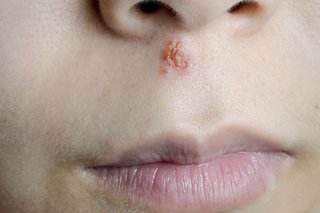
Cold sores mostly affect the lips and the area around the mouth. The skin on the cheeks can get cold sores but it is rare. Most outbreaks appear on the lower lip. Sometimes, they develop near the nose or chin. These areas have thin skin and many nerve endings, making them common sites.
Why Lips Are Most Vulnerable
Lips get cold sores more than any other place. The virus hides in nerves under the lips. Thin skin on the lips breaks easily, allowing the virus to appear. Lips are often exposed to sun and wind, which can trigger outbreaks. The constant movement of lips may also cause tiny cracks, inviting the virus to surface.
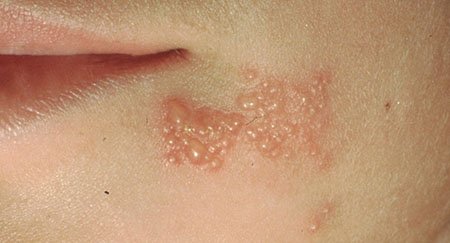
Credit: downtowndermnyc.com
Cold Sores On The Cheek: Possibility And Causes
Cold sores usually appear around the lips, but they can also show up on the cheek. Many wonder if cold sores can really occur on this part of the face. Understanding the possibility and causes helps in recognizing and treating cheek outbreaks properly.
Can Cold Sores Appear On The Cheek?
Cold sores mainly come from the herpes simplex virus (HSV). The virus prefers the lips and mouth area. The cheek skin is thicker and less common for cold sores. Yet, cold sores can appear on the cheek if the virus spreads. This happens when the virus moves from the lips or other infected areas. Touching a cold sore and then the cheek can cause an outbreak there.
It is rare but not impossible. The cheek is not the usual place for cold sores. Still, the virus can cause blisters and sores on the cheek. These sores look like small, painful blisters filled with fluid. They can break and form crusts as they heal.
Factors Leading To Cheek Outbreaks
Several things can cause cold sores to appear on the cheek. One factor is direct contact with the virus. Touching a cold sore then the cheek spreads the virus. Weak immune systems make outbreaks more likely. Stress, illness, or fatigue can lower the body’s defenses.
Skin damage or irritation on the cheek also increases risk. Cuts or scrapes let the virus enter more easily. Exposure to sunlight or cold weather may trigger outbreaks. These conditions weaken the skin’s protection. Knowing these factors helps prevent cheek cold sores.
Symptoms Of Cold Sores On The Cheek
Cold sores can appear on the cheek, not just the lips. Recognizing the symptoms early helps to manage the discomfort. These sores often start with subtle signs before becoming visible. Understanding the symptoms specific to cheek cold sores can guide timely care.
Early Signs To Watch For
Cold sores usually begin with tingling or itching. You might feel a burning sensation on the cheek skin. This stage lasts one to two days. After that, small red bumps or blisters appear. The blisters may fill with fluid and become painful. Swelling around the sore is common. Sometimes, a mild fever or headache can occur. These early signs warn that a cold sore is forming.
How Cheek Cold Sores Differ
Cold sores on the cheek look different from those on the lips. The skin on the cheek is thicker and less sensitive. Sores here might be larger but less likely to crack. Cheek sores can blend with acne or other skin issues. They often cause more swelling and redness. Unlike lip cold sores, cheek sores heal slower. Pain and discomfort may last longer on the cheek.
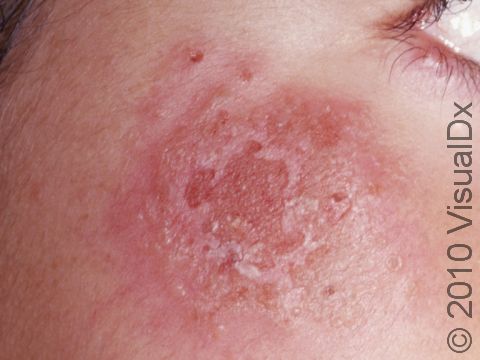
Credit: skinsight.com
Treatment Options For Cheek Cold Sores
Cold sores on the cheek can be painful and uncomfortable. Treating them early helps reduce pain and speed healing. Several treatment options exist to manage cheek cold sores effectively. These options range from simple home remedies to medical treatments.
Over-the-counter Remedies
Many people start with over-the-counter creams and ointments. These products contain ingredients like docosanol or benzyl alcohol. They help lessen pain and itching. Applying these creams at the first sign of a cold sore is best. Pain relievers such as ibuprofen or acetaminophen can also reduce discomfort. Keeping the sore clean and dry prevents infection. Cold compresses can soothe swelling and redness.
When To See A Doctor
Seek medical help if the cold sore worsens or lasts more than two weeks. A doctor may prescribe antiviral medicines like acyclovir or valacyclovir. These drugs can speed up healing and reduce outbreaks. Visit a doctor if you have a weakened immune system or frequent cold sores. Also, consult a doctor if the sore spreads or causes severe pain. Prompt medical care can prevent complications and promote faster recovery.
Prevention Tips To Avoid Cheek Cold Sores
Preventing cold sores on your cheek starts with simple daily habits. These steps help keep the virus inactive and reduce outbreaks. Staying aware of your body’s needs plays a big role.
Small changes in lifestyle and avoiding known triggers can lower the chances of cold sores. This part explains easy ways to protect your skin and health.
Lifestyle Adjustments
Keep your skin clean and moisturized to avoid irritation. Use gentle soaps and avoid harsh chemicals. Drink plenty of water to stay hydrated. A balanced diet strengthens your immune system. Get enough sleep to help your body fight infections. Avoid sharing towels, lip balm, or other personal items. Protect your skin from strong sunlight by wearing a hat or using sunscreen. Stress less with relaxation methods like deep breathing or light exercise.
Managing Triggers Effectively
Notice what causes your cold sores to appear. Common triggers include stress, fatigue, and sun exposure. Avoid spicy or acidic foods that may irritate your skin. Limit alcohol and tobacco use as they weaken your immune system. Use lip balm with sunscreen during outdoor activities. Apply cold compresses at the first sign of tingling to reduce symptoms. Keep track of outbreaks to identify patterns and avoid those triggers in the future.
Credit: www.nhs.uk
Frequently Asked Questions
Can Cold Sores Appear On The Cheek Area?
Yes, cold sores can sometimes show up on the cheek, though they are more common on lips.
What Causes Cold Sores To Form On The Cheek?
Cold sores on the cheek are caused by the herpes simplex virus spreading to nearby skin.
How Can You Tell A Cold Sore From Other Cheek Spots?
Cold sores usually start as small blisters that burst and crust over, unlike pimples or rashes.
Is A Cold Sore On The Cheek Contagious?
Yes, cold sores on the cheek can spread the virus through close contact or touching.
How Long Does A Cheek Cold Sore Usually Last?
Cheek cold sores often heal within 7 to 10 days without leaving scars.
What Treatments Help Cold Sores On The Cheek Heal Faster?
Using antiviral creams and keeping the area clean can speed up healing and reduce pain.
Conclusion
Cold sores can appear on the cheek, not just the lips. The virus travels through nerve endings to cause sores nearby. Avoid touching or picking at sores to stop spreading. Keep the area clean and use treatments to ease pain.
Watch for signs of infection or worsening symptoms. Talk to a doctor if sores last long or return often. Understanding cold sores helps you manage them better. Stay careful and protect your skin to reduce outbreaks. Simple steps make a big difference in healing and comfort.

Munia Akondh is a passionate skincare writer with a foundation in life sciences, which gives her a unique scientific perspective on beauty and skincare. As a digital marketer and skincare geek, Munia combines her love for product research, skin health, and marketing to create insightful content that resonates with beauty enthusiasts. Her expertise spans from understanding skincare ingredients to keeping up with the latest trends, making her a trusted voice in the industry.