

Have you ever noticed a bright red rash on a child’s cheeks and wondered what it could be? That’s often a sign of something called Slap Cheek.
It’s a common illness that might sound strange, but it’s important to know what it is and how it can affect you or someone you care about. You’ll discover what Slap Cheek really means, how to spot it early, and what steps you can take to handle it with confidence.
Keep reading—this knowledge could make a big difference for your health and peace of mind.
Credit: my.clevelandclinic.org
Slap Cheek Symptoms
Slap cheek is an illness that mainly affects children. It is caused by a virus and spreads easily. Recognizing the symptoms early helps in managing the condition well. The signs usually start with mild feelings and change as the rash appears. Knowing these symptoms helps parents and caregivers respond quickly.
Early Signs
The first symptoms often include a slight fever. Children may feel tired or have a mild headache. A runny nose and sore throat can also appear. These signs last for a few days before the rash shows up. At this stage, the illness might look like a common cold.
Progression Of Rash
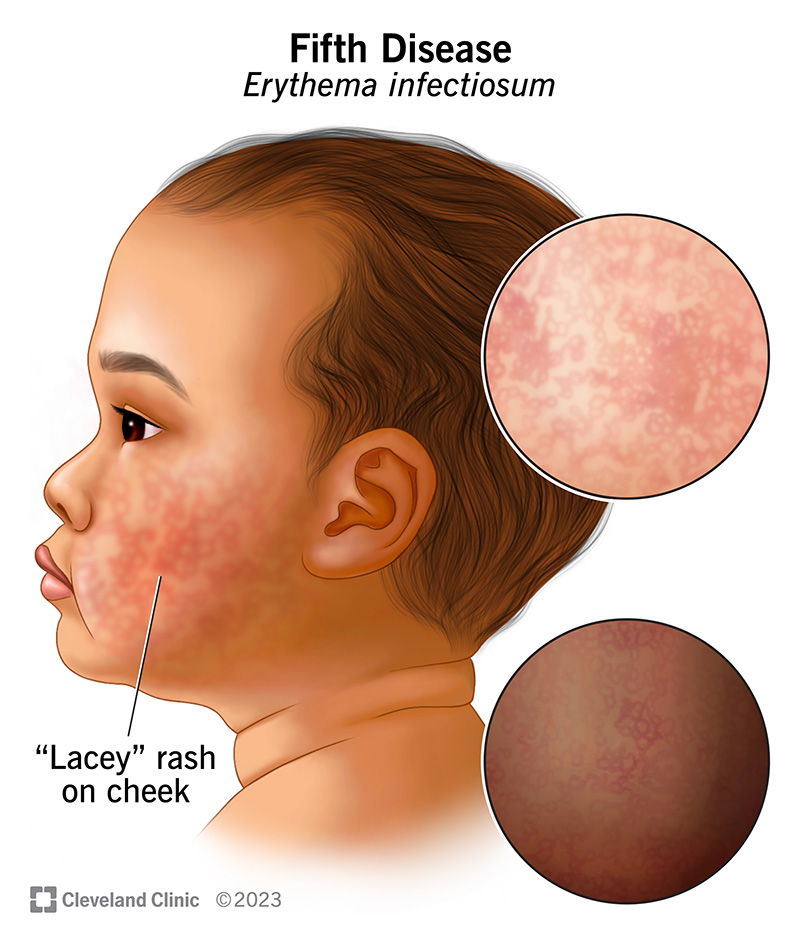
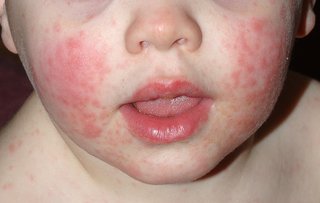
The rash is the most clear symptom of slap cheek. It starts with bright red cheeks, like a slap mark. This rash usually appears suddenly and is very noticeable. After a few days, a lighter, lacy rash may spread to the arms and body. The rash can last for one to three weeks.
Associated Symptoms
Some children may have joint pain or swelling. Mild itching on the rash is also common. A low fever might return when the rash spreads. Most kids feel better after the rash fades. Severe symptoms are rare but should be checked by a doctor.
Causes Of Slap Cheek
Slap cheek is a common childhood illness. It causes red, bright cheeks that look like a slap. Understanding what causes this illness helps to avoid it and manage symptoms well.
Parvovirus B19
The main cause of slap cheek is a virus called parvovirus B19. This virus infects the body and triggers the rash on the cheeks. It also causes fever, tiredness, and joint pain. Most children recover quickly after catching this virus.
Transmission Methods
Parvovirus B19 spreads easily from person to person. It passes through coughs, sneezes, and close contact. Touching surfaces with the virus and then touching the face can also spread it. People are most contagious before the rash appears.
Risk Factors
Children aged 5 to 15 years face the highest risk. Schools and daycares are common places for the virus to spread. People with weak immune systems or certain blood disorders may have more problems. Pregnant women should be cautious, as the virus can affect the baby.
Who Is At Risk
Slap cheek disease spreads easily among certain groups of people. Some are more likely to catch it and face health issues. Understanding who is at risk helps protect yourself and others.
Children
Children are the most common group to get slap cheek. They catch it quickly in schools and daycare. Young kids have close contact and share toys often. Their immune systems are still growing, so infections spread fast.
Pregnant Women
Pregnant women risk serious problems from slap cheek. The infection can harm the unborn baby. It may cause anemia or miscarriage in rare cases. Pregnant women should avoid contact with infected people.
Immunocompromised Individuals
People with weak immune systems face higher risks. This includes those with HIV or cancer patients. Their bodies cannot fight infections well. Slap cheek can cause severe symptoms and complications for them.
Treatment Options
Treatment options for slap cheek focus on easing symptoms and preventing spread. This viral infection usually clears on its own. Still, care helps patients feel better faster. Some remedies can be done at home. Others may need medical help.
Home Care Remedies
Rest is key to recovery. Drink plenty of fluids to stay hydrated. Use cool compresses on the cheeks to reduce redness and swelling. Over-the-counter pain relievers can ease aches and fever. Avoid scratching or touching the rash. Keep children away from others to stop spreading the virus.
Medical Treatments
Doctors rarely prescribe medicines for slap cheek. Antiviral drugs are not usually needed. If symptoms worsen, they may suggest treatments to control itching or fever. In rare cases, corticosteroids help with severe inflammation. Always follow the doctor’s advice on medicine use. Medical care is more important for people with weak immune systems.
When To See A Doctor
See a doctor if the rash spreads quickly or causes pain. Seek help if the fever is very high or lasts more than three days. Call a doctor when breathing problems or joint pain occur. Pregnant women should consult a doctor immediately after exposure. Early medical advice can prevent complications.
Preventing Slap Cheek
Preventing slap cheek is important to stop its spread. This illness spreads easily, especially among children. Taking simple steps can lower the risk of infection. Protecting yourself and others starts with good habits.
Hygiene Practices
Wash your hands often with soap and water. Clean hands stop germs from spreading. Avoid touching your face, especially your mouth and nose. Cover your mouth when coughing or sneezing. Use tissues and throw them away right after use.
Avoiding Exposure
Keep distance from people showing symptoms of slap cheek. Avoid crowded places during outbreaks. Do not share food, drinks, or utensils with others. Stay home if you feel sick to prevent spreading the virus.
Vaccination Status
Check if you and your children have the right vaccines. Some vaccines protect against illnesses that cause slap cheek symptoms. Talk to your doctor about vaccination options. Staying up to date helps reduce chances of getting sick.

Credit: www.familycorner.co.uk
Credit: www2.hse.ie
Frequently Asked Questions
What Is Slap Cheek Disease?
Slap Cheek is a mild viral infection causing red, flushed cheeks, mostly in children.
What Causes Slap Cheek Syndrome?
A virus called parvovirus B19 causes Slap Cheek syndrome.
What Are Common Symptoms Of Slap Cheek?
Red cheeks, mild fever, rash, and tiredness are common symptoms.
How Is Slap Cheek Spread To Others?
It spreads through coughs, sneezes, and close contact with infected people.
Is Slap Cheek Dangerous For Adults?
Usually not, but it can be serious for pregnant women or people with weak immunity.
How Can Slap Cheek Be Treated?
There is no specific cure; rest, fluids, and fever medicine help recovery.
Conclusion
Slap cheek is a common childhood illness caused by a virus. It usually starts with mild fever and a red rash on the cheeks. Most children recover without problems in a week or two. Good hygiene helps prevent its spread.
If symptoms worsen, see a doctor quickly. Knowing about slap cheek helps parents stay calm and take care of their kids. Simple steps can keep your family safe and healthy.